
Your drawings stay confidential. We sign NDAs.

+91 9145700873 +91 8625919717 WhatsApp

Market · EV charging

EV Charger Enclosure Moulds for EV Charging Wall Boxes and Pillars

Compression moulds for outdoor EV charging enclosures in SMC: wall-box housings, charging pillar shells and doors, covers and connector holders that stay strong, insulated and weatherproof at the roadside.

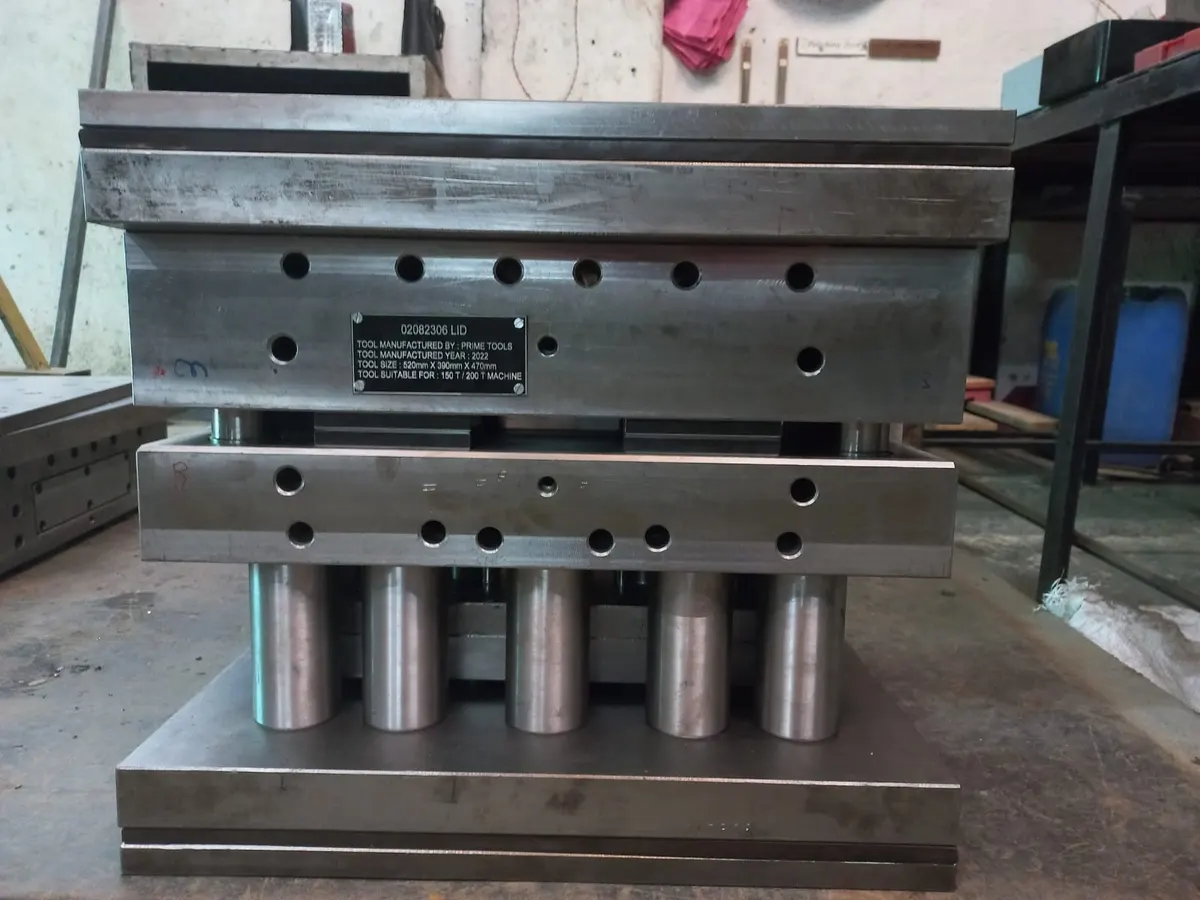
Assembled compression mould with heaters and nameplate
An assembled compression mould in our tool room
Parts
Wall boxes · Pillar shells · Covers
Material
SMC (FRP / GRP)
Sealing
IP54 to IP66 designs
Typical lead time
6–8 weeks

EV charging: what buyers need from the mould

An EV charger enclosure houses the power electronics, contactors and cables of an electric vehicle charger. Outdoor wall boxes and charging pillars are increasingly compression moulded from SMC, because it insulates, resists fire, impact and UV, and does not corrode, which suits public and roadside charging.

Whether you call it an EV charger enclosure, an EV charging box or an EV charger housing, the job is the same: protect the power electronics outdoors for years. For a public EV charging station enclosure or an EV charging pillar, the shell is large and visible, so the mould must give a clean surface, stiff walls and doors that seal.

EV charging is a new and fast-growing market for enclosures. Designs change quickly, volumes start small and grow, and the enclosure has to look good as well as protect the electronics.

We help charger makers turn an enclosure concept into a mouldable SMC design in the DFM: wall sections, ribs, doors, hinge points and cable entries, before investing in steel.

EV charger housing and charging pillar moulds we build

  • Wall-box charger housing and cover
  • Charging pillar shells and doors
  • Charger base and plinth parts
  • Connector and cable holder parts
  • Meter and display window frames

What an EV enclosure mould must deliver

Visible-quality surface

Polished cavities and even curing so the outer shell looks right without painting.

Sealing and doors

Door frames, hinges and gasket grooves that close square and keep the IP rating.

Mounting and earthing

Brass inserts for electronics mounting and earthing, positioned to the drawing.

Design support

DFM help to make a new design mouldable before steel is cut.

Materials and mould design

Outdoor EV enclosures are usually SMC; smaller internal insulating parts can be DMC.

Every mould starts with a free DFM review: draft, wall section, shear edge, charge placement and press tonnage are checked before steel is cut. Read more about compression moulds and the moulding process.
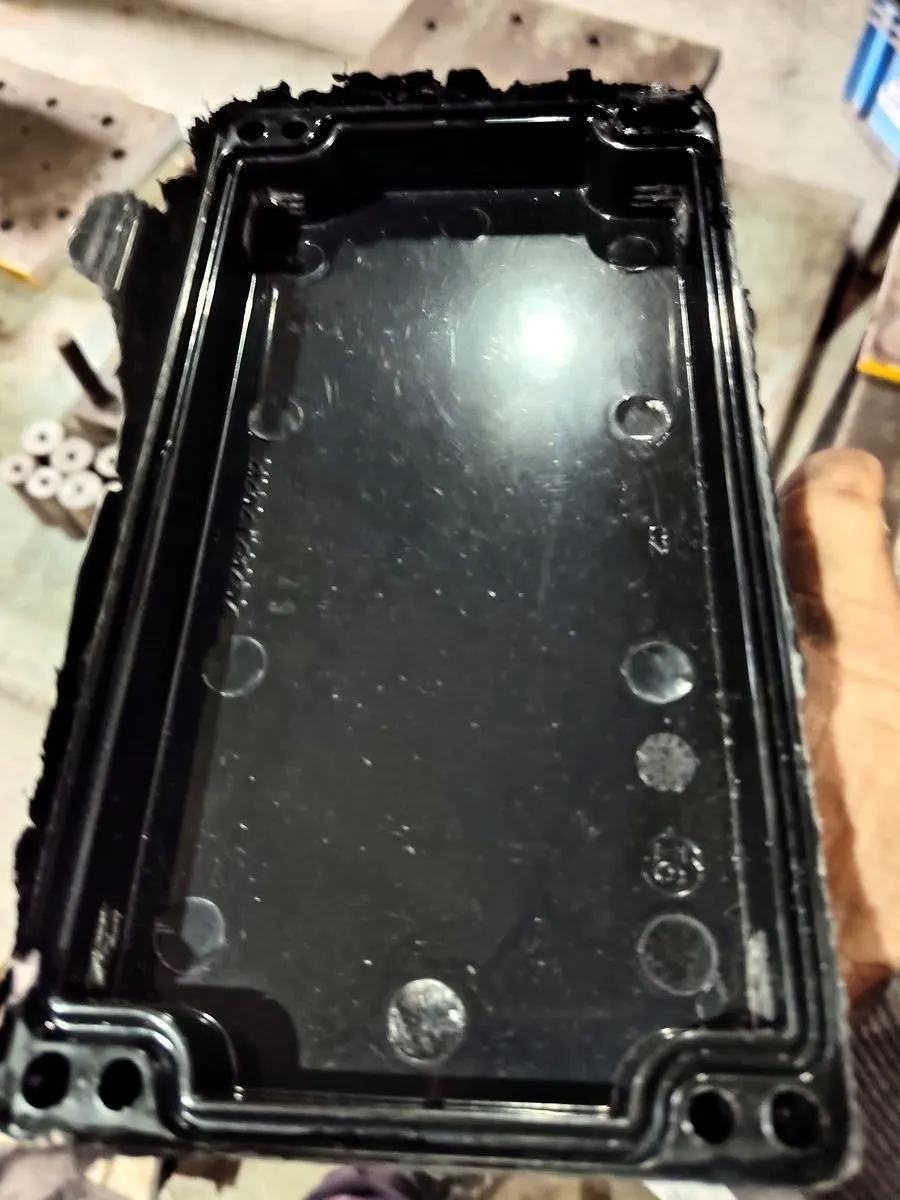
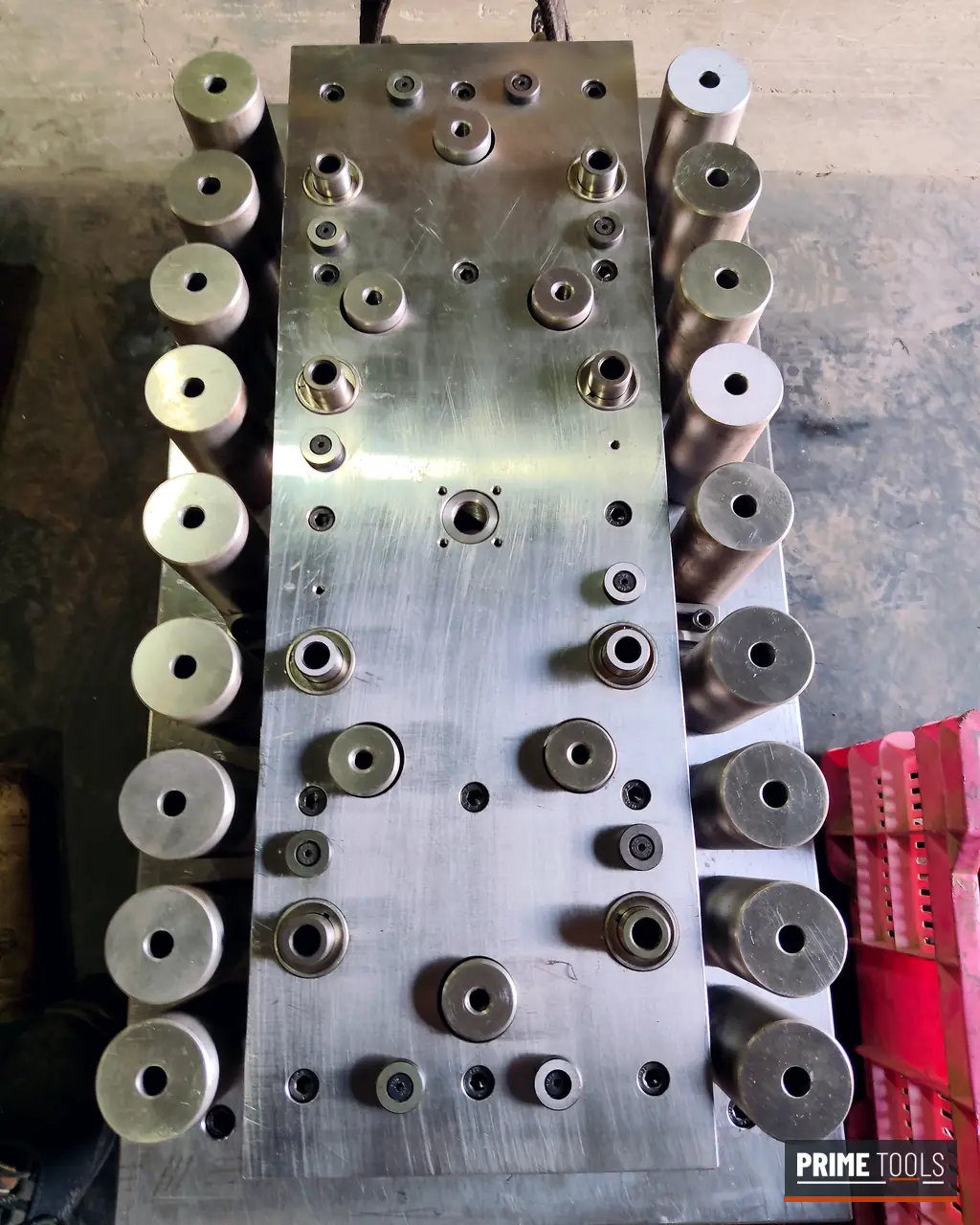
SMC enclosure part from a Prime Tools mould Core half of an SMC enclosure lid mould
An SMC enclosure part and the core half of a lid mould, from our tool room.

Before steel is cut

Free DFM review on your drawing

Send your drawing or 3D model. We check draft, wall section, shear edge, charge and press tonnage, and send a report you can act on before you commit to a mould.

EV charging mould FAQ

Why use SMC for EV charger enclosures?

SMC insulates, resists fire, UV and impact, and does not rust, so it suits outdoor and public charging points. It also allows large, stiff panels without painting.

Can you help with a new enclosure design?

Yes. Send your concept or 3D model and we review it in the DFM for draft, wall section, ribs, doors and sealing before you commit to a mould.

Send your part for a free DFM review

  1. Send your part. 3D model or drawing, plus material and annual volume.
  2. Free DFM review. A report on draft, walls, flow, venting and ejection risks.
  3. Quotation. Mould price, steel and a lead time we commit to.
  4. Mould build. Typically 6–8 weeks, with progress updates.
  5. Trial and handover. Trial and first-off parts for your approval.