What we do for die casting moulds and dies
A die casting die is a hardened steel mould, made of a fixed half and a moving half with replaceable core and cavity inserts, into which molten aluminium is poured or injected. Because it runs hot, under pressure, for thousands of shots, every die needs regular repair, polishing and modification to keep making good castings.
That is the work we do for die casters. Our team has handled more than 100 dies for high pressure die casting (HPDC/PDC) and gravity die casting (GDC), and we are now taking low pressure die casting (LPDC) work too.
Die repair and maintenance
Worn and damaged areas restored, cavities re-polished, heat-check marks removed, vents and parting faces cleaned up, and the die returned to service with a report.
Die modification
Design changes to the casting, gate, runner, overflow and vent changes, extra cores, and changes that cure a recurring defect.
New core and cavity inserts
Replacement or new inserts machined from die steel, hardened, finished and fitted to your existing bolster.
Core pins, ejectors and slides
Broken or worn core pins, ejector pins, slides and guide parts replaced and fitted, so the die closes and ejects as it should.
High pressure, gravity and low pressure die casting dies
| High pressure (HPDC) | Gravity (GDC) | Low pressure (LPDC) | |
|---|---|---|---|
| How metal fills the die | Injected at high speed by a cold chamber machine | Poured in and filled by gravity | Pushed up from a sealed furnace by low air pressure |
| Typical parts | Thin-wall housings, covers, brackets | Thicker parts, pump and valve bodies, manifolds | Wheels, structural and pressure-tight parts |
| What wears the die | Soldering, erosion at the gate, heat checking | Coating wear, heat checking, core wear | Thermal cycling, coating wear, riser area |
| Our work | Repair, modification, new inserts | Repair, modification, new inserts | Starting now: repair and inserts |
High pressure die casting is also called pressure die casting (PDC). For aluminium it runs on cold chamber machines; hot chamber die casting is used mainly for zinc.
Die casting defects we fix at the die
Many die casting defects start in the die itself. Fixing the die, rather than adjusting the machine every shift, is usually the permanent cure.
| Defect | Common die-side cause | What we do |
|---|---|---|
| Flash | Worn or damaged parting face, insert gaps | Restore the parting face, re-fit inserts |
| Soldering | Hot spots, rough or damaged cavity surface | Clean and polish, review cooling and draft |
| Heat-check marks | Fine cracks from thermal cycling | Remove and polish; replace the insert when needed |
| Drag marks | Low draft, worn or scored surfaces | Correct draft, polish the affected faces |
| Gas porosity, cold shuts | Blocked vents, poor overflows or gating | Open and add vents and overflows, modify gates |
| Dimensional drift | Wear on cores, pins and inserts | Replace worn cores and pins, re-machine inserts |
New core and cavity inserts for die casting dies
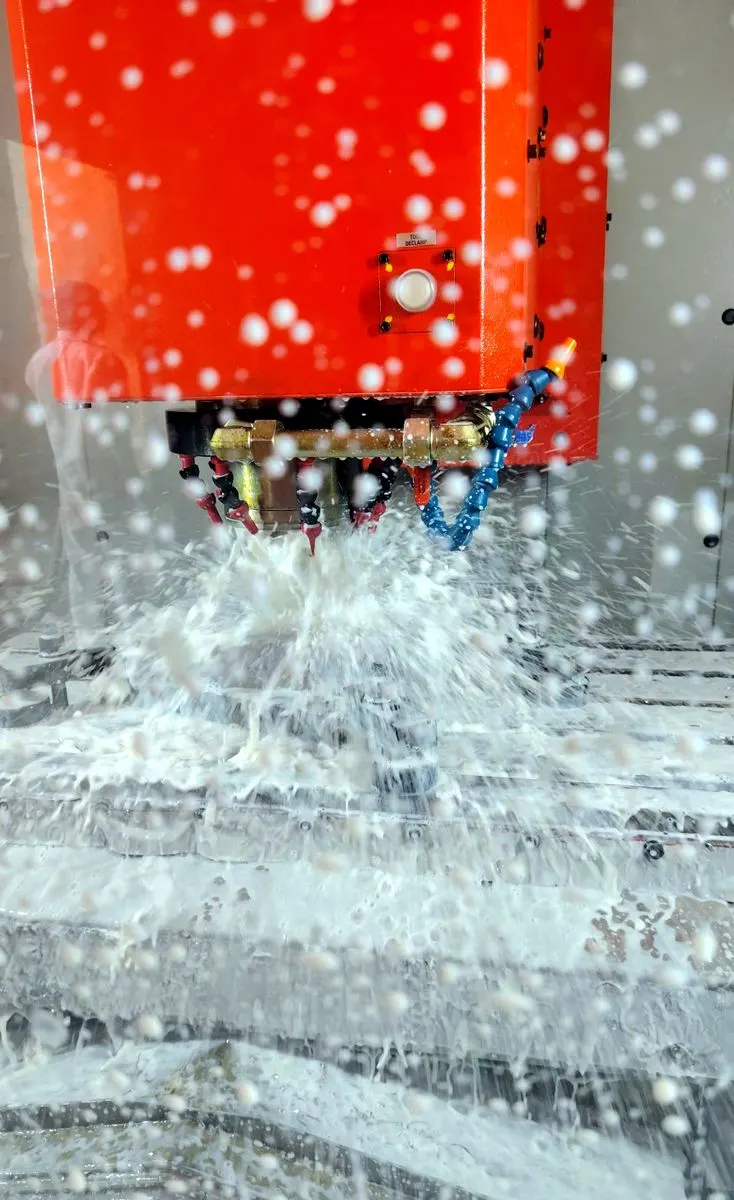
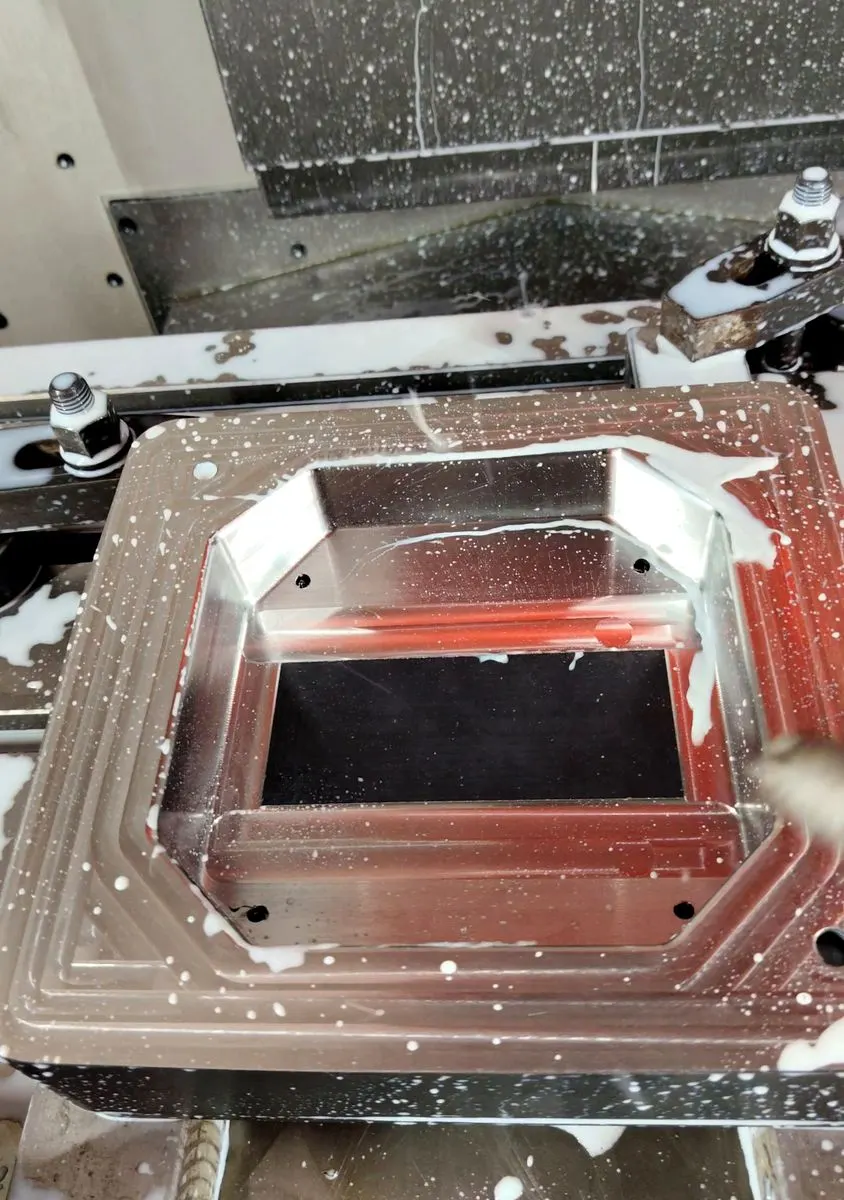
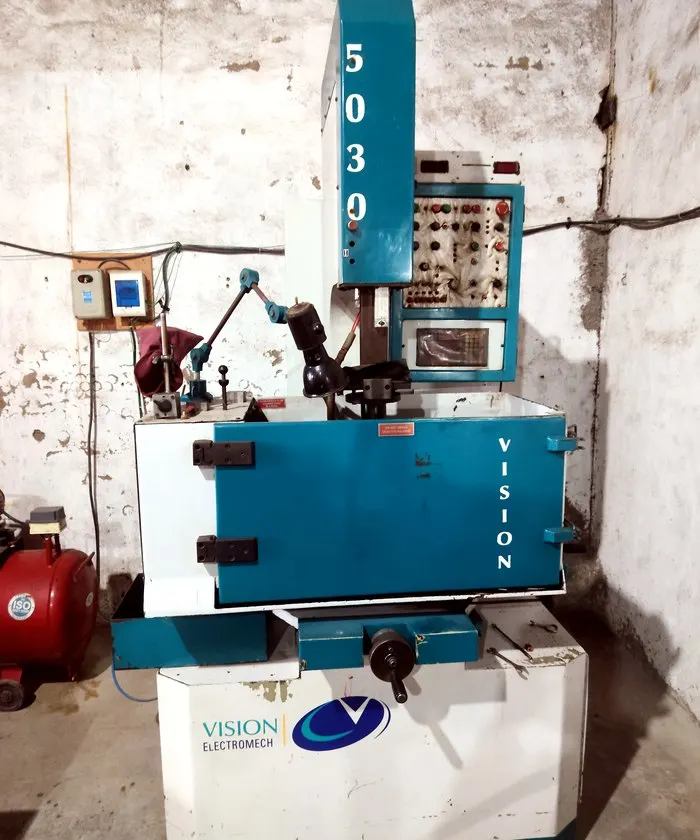
When an insert is too far gone to repair, or the casting has changed, we machine a new one. Inserts are cut on our BFW BMV 50 VMC, with fine detail by EDM, from hot-work die steel such as H13 or Böhler W302, then hardened, finished and fitted to your die.
You can send the old insert, a drawing or a 3D model. We check the design for draft, cooling and venting before we cut, the same way we run a DFM review on our compression moulds.
We are now building our first complete die sets, starting with core and cavity work for low pressure die casting. If you are planning a new aluminium die casting mould, talk to us early.
How a die repair or modification job runs
- You send photos, the defect and the casting. WhatsApp is fine. We tell you if it is a repair, a modification or a new insert.
- The die comes in for inspection. We strip, clean and check it, and send a findings list with a quote and a date.
- We repair, modify or machine. Work is done on our VMC, EDM and grinder, with fitting and spotting by hand.
- The die goes back with a report. What was found, what was done and what to watch at the next maintenance.
Recent die casting jobs, with photos
New inserts and die repairs from our tool room. Customer names and part details are kept confidential.
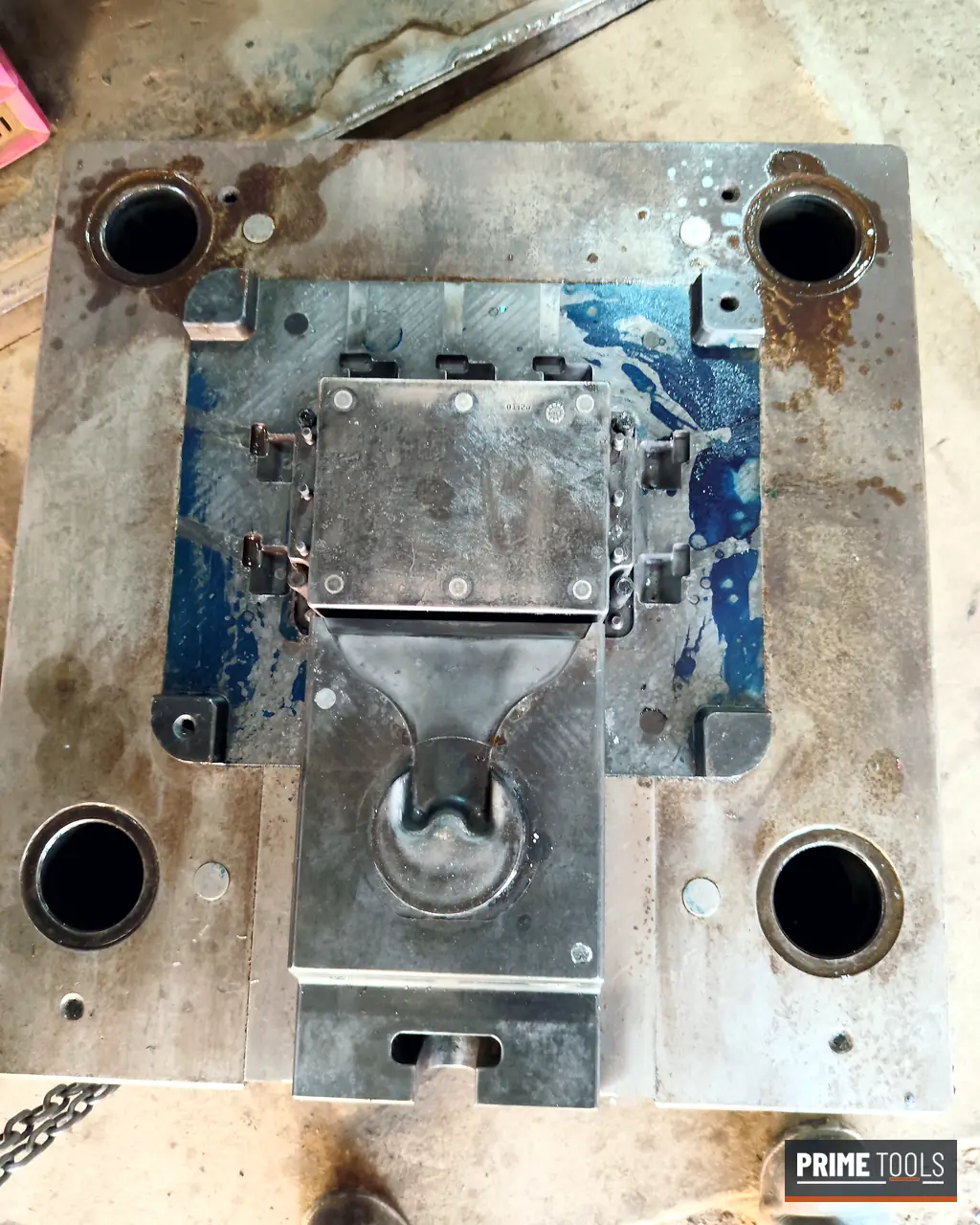
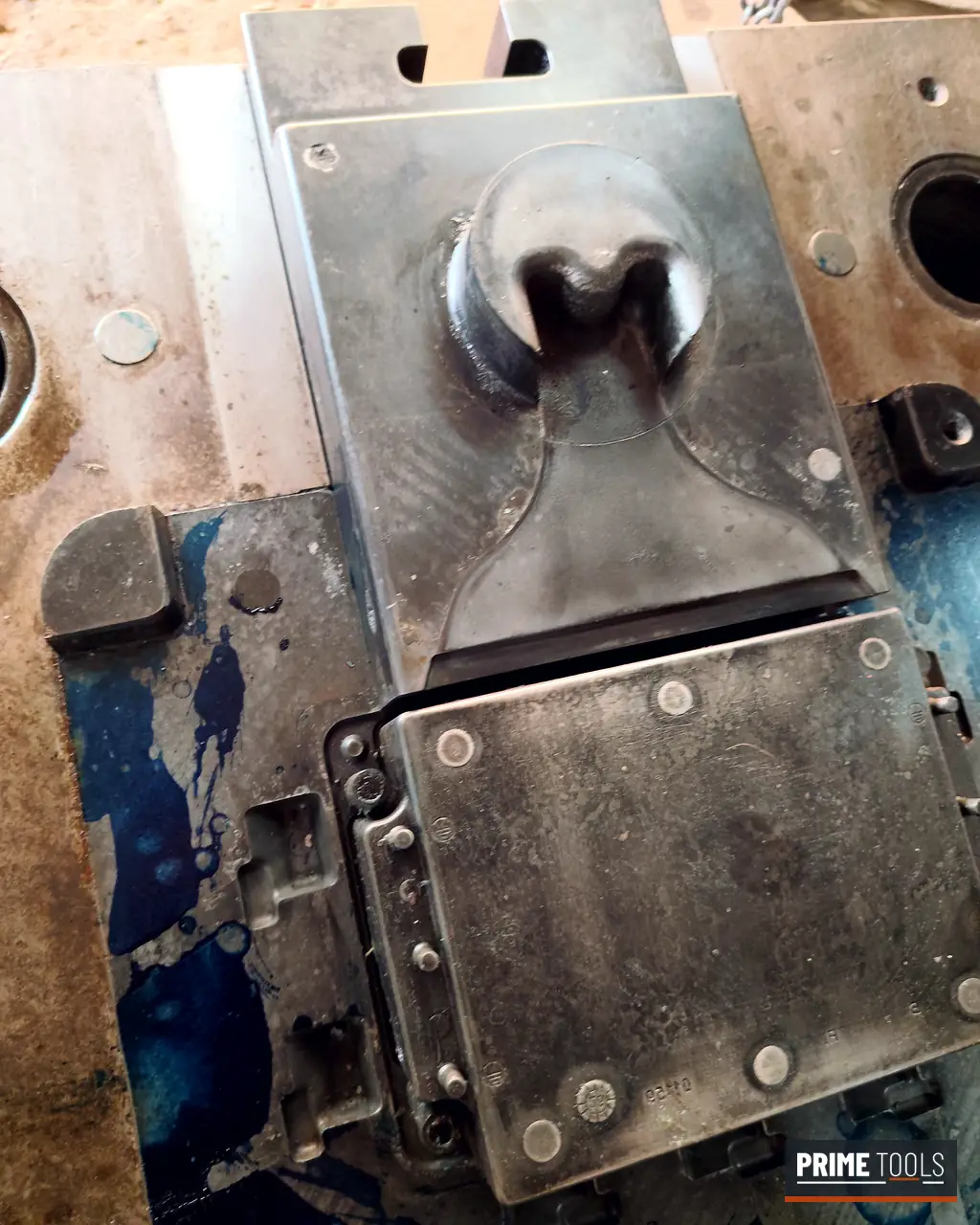
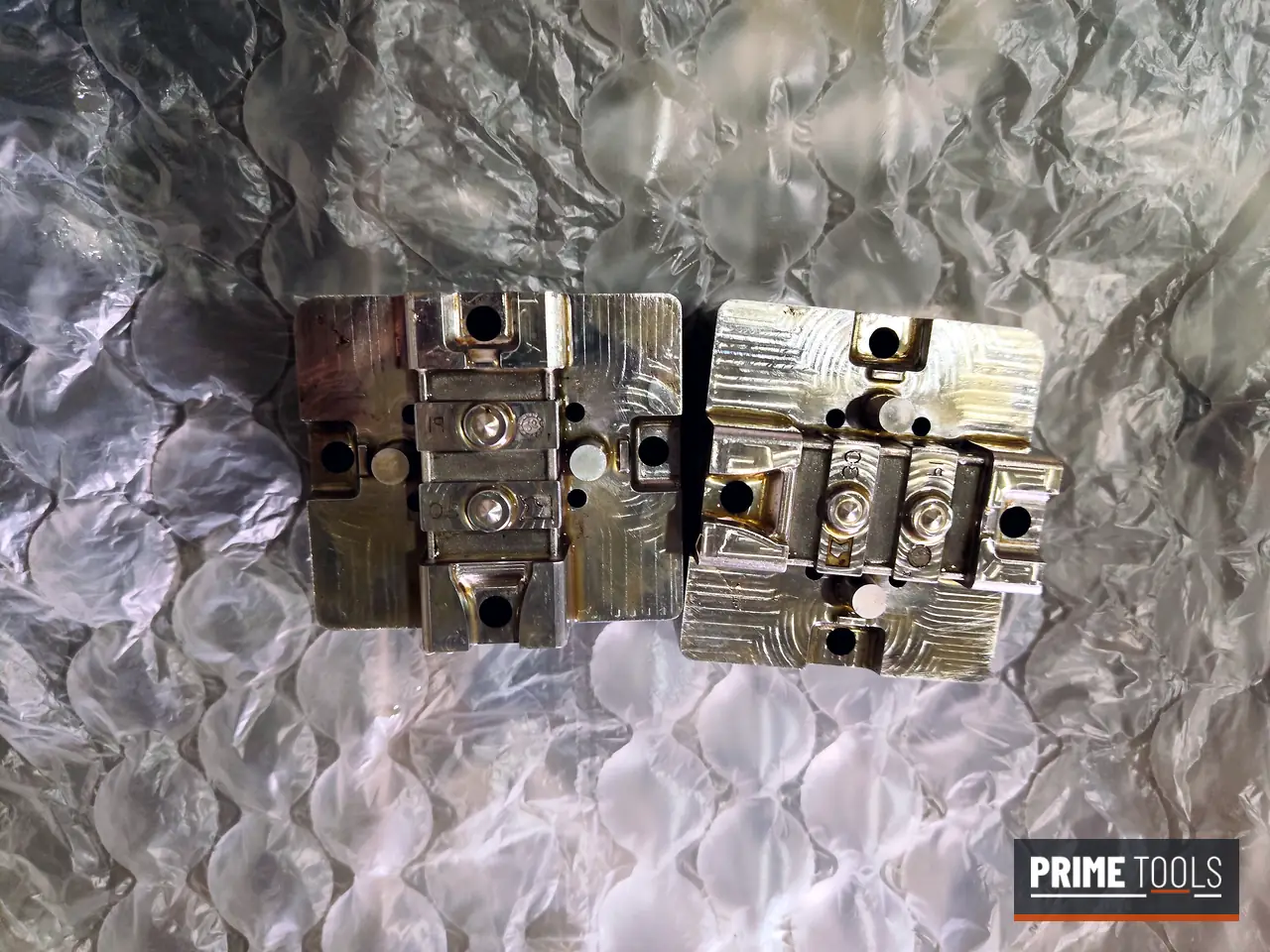
New core and cavity inserts for an HPDC die
New core and cavity inserts for an existing high pressure die casting die. The inserts were machined, fitted into the die and checked for alignment before the die went back to the casting shop.
We are building our die casting work step by step: new inserts, repairs and modifications on HPDC, GDC and PDC dies today, with LPDC starting now.
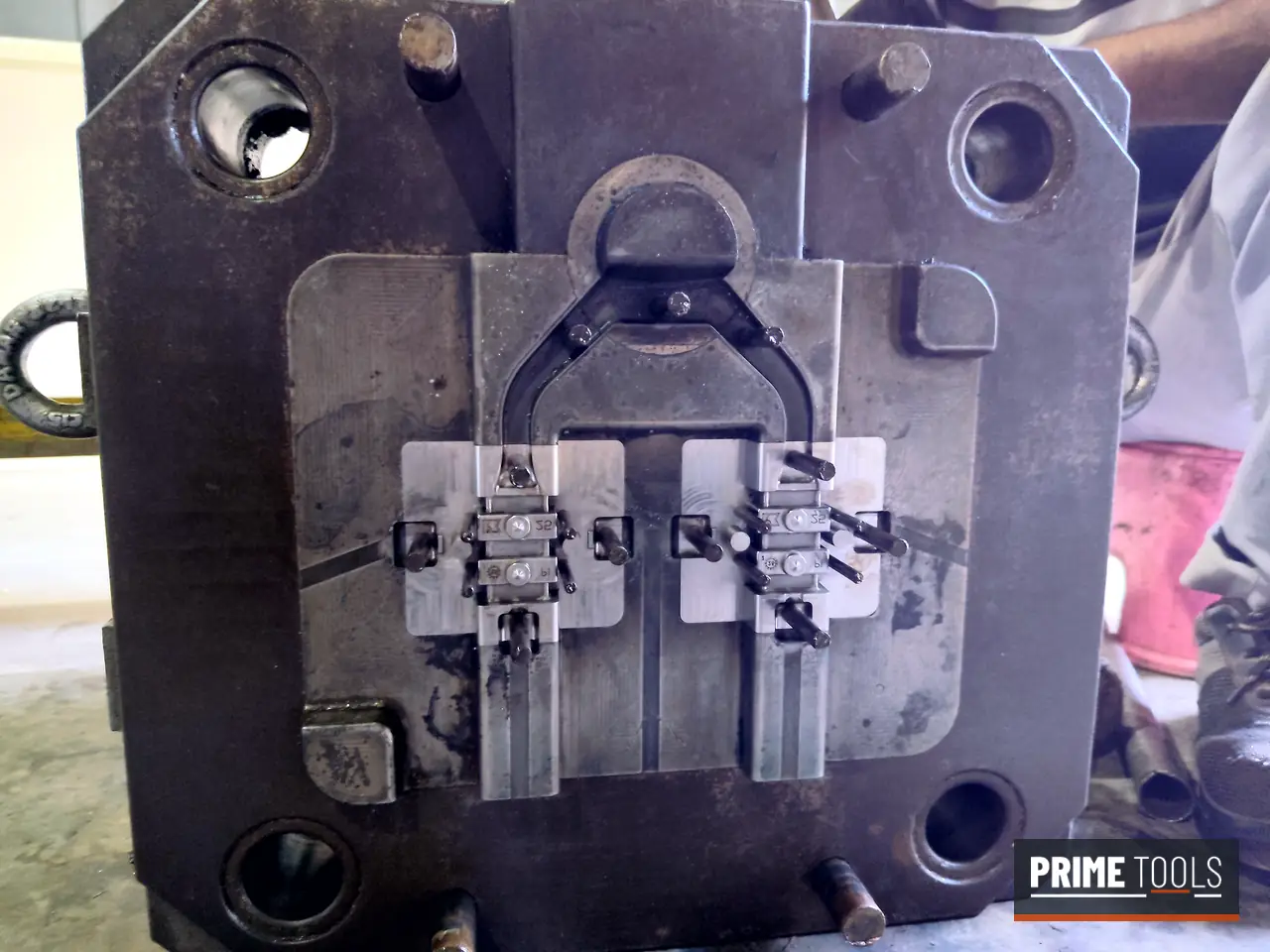
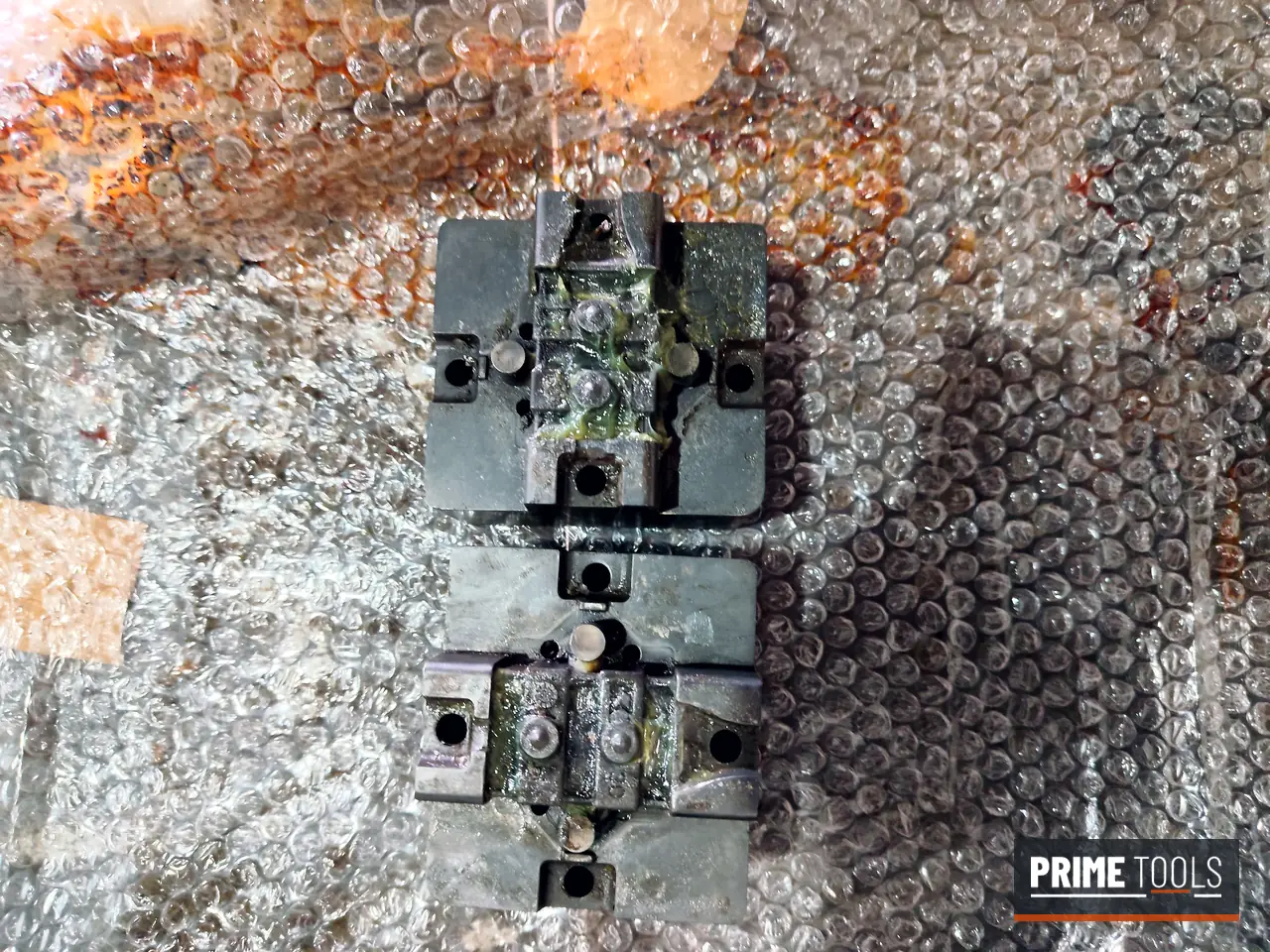
HPDC die repair
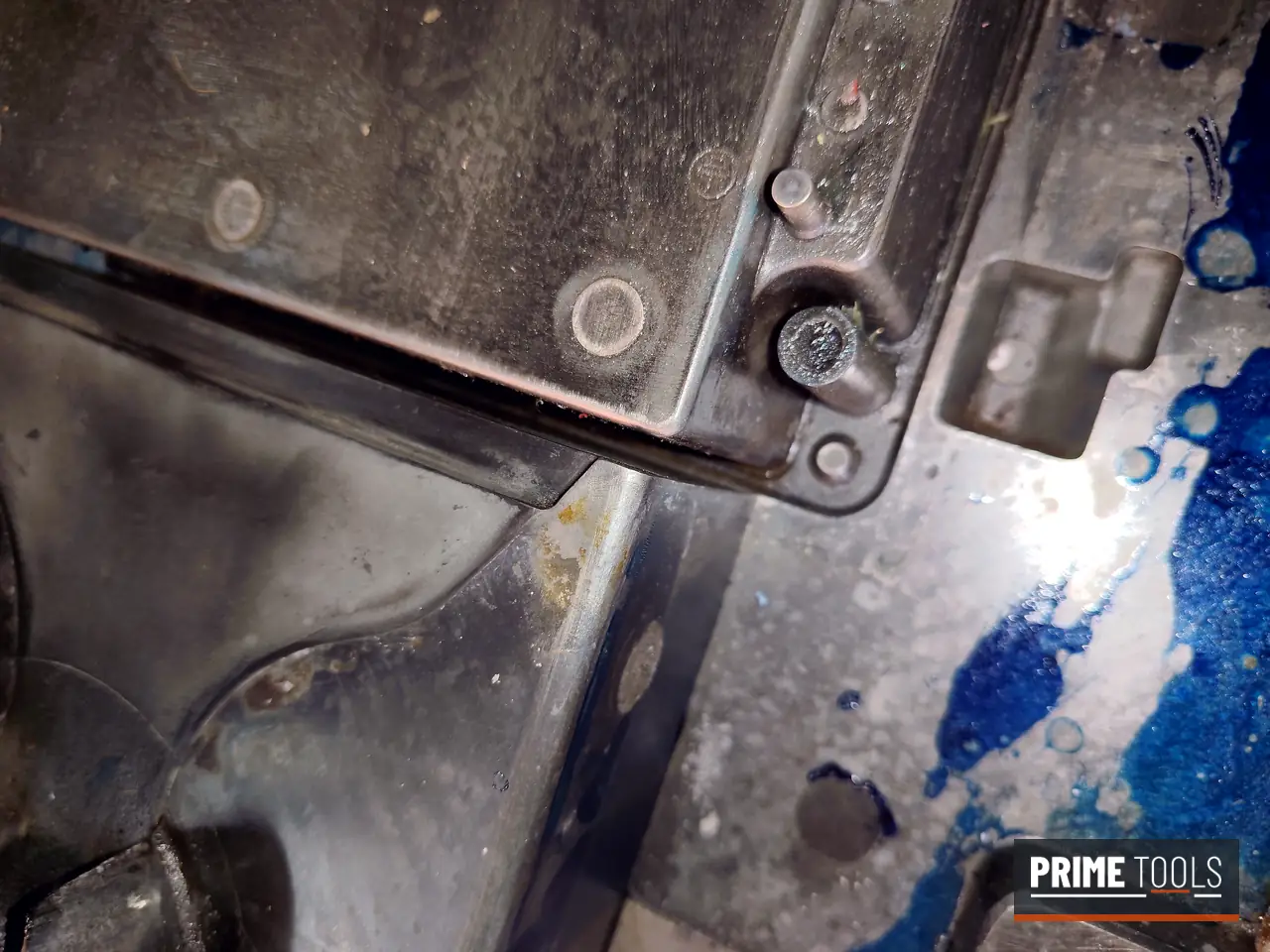
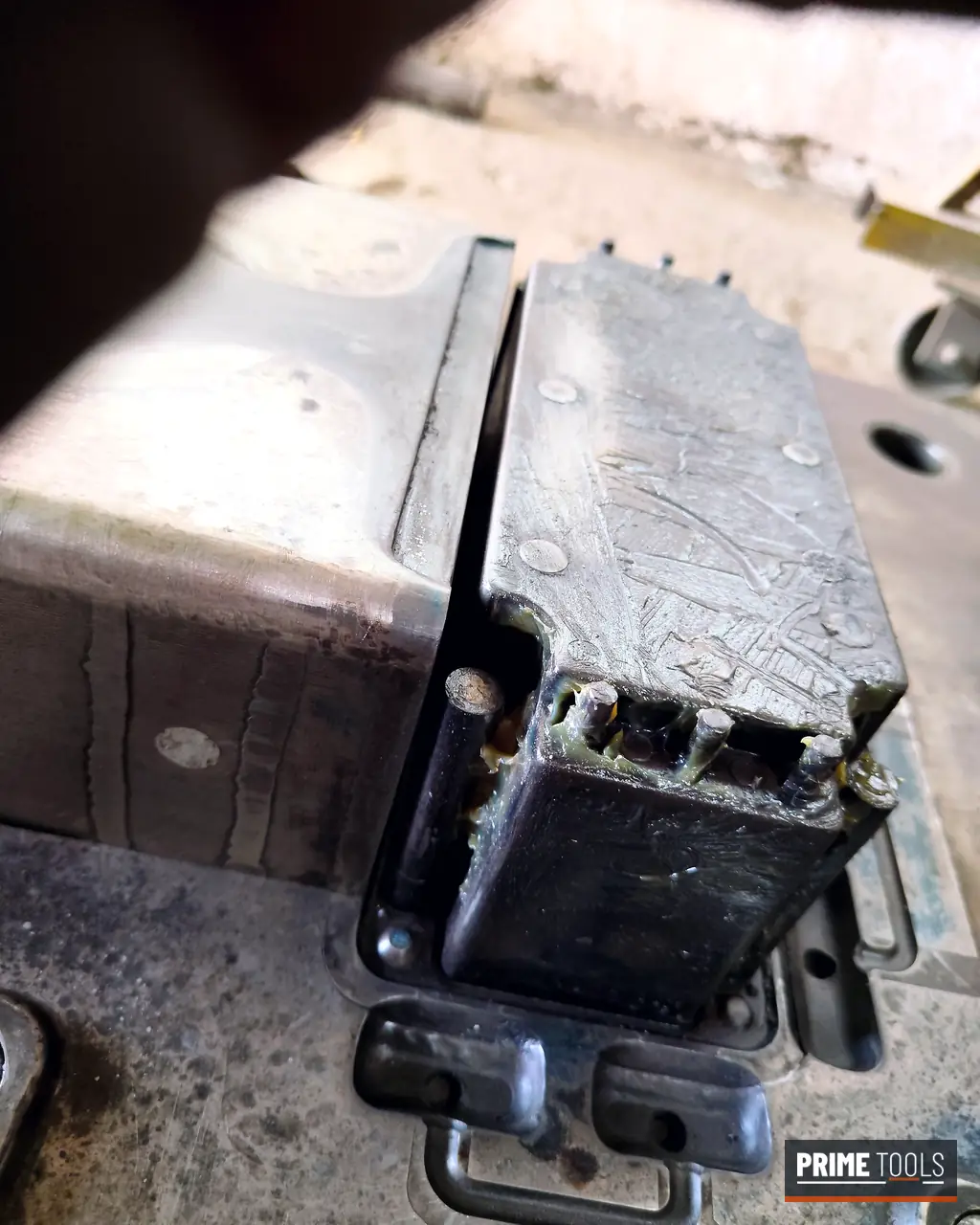
Die casting dies take a beating from molten metal at high pressure: heat checking, erosion at the gate and damaged inserts are normal wear. This die came in with worn and damaged inserts.
We inspected the die, repaired the damaged areas, restored the worn faces and returned it ready to cast.