What is DMC (dough moulding compound) and BMC?
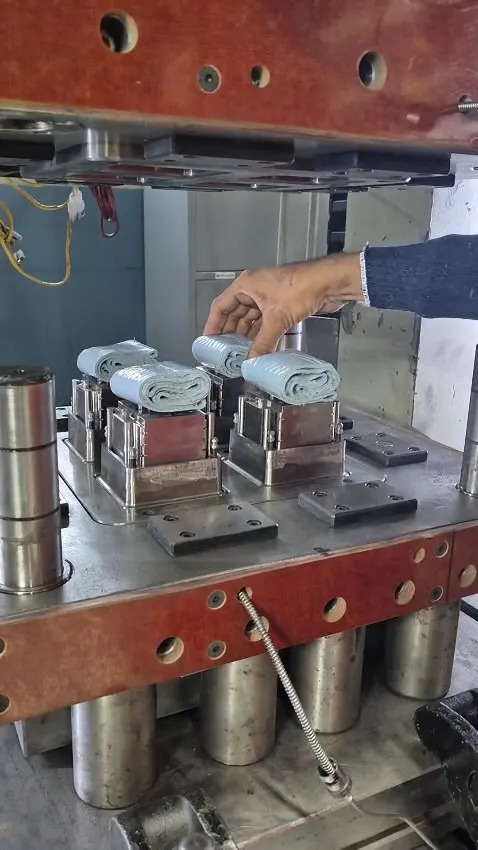
DMC, or dough moulding compound, is a thermoset material made from polyester resin, short chopped glass fibres and mineral fillers, mixed into a putty-like dough. BMC, bulk moulding compound, is essentially the same material; DMC is the common name in India and the UK, BMC in the US. It is weighed, loaded into a heated mould and pressed into strong, flame-retardant, electrically insulating parts.
Because the glass fibres are short, DMC and BMC flow into thin ribs, small bosses and fine detail better than SMC. That makes them the first choice for compact electrical parts: insulators, terminal blocks, breaker and contactor housings, motor parts and lamp components that must survive heat and arcing.
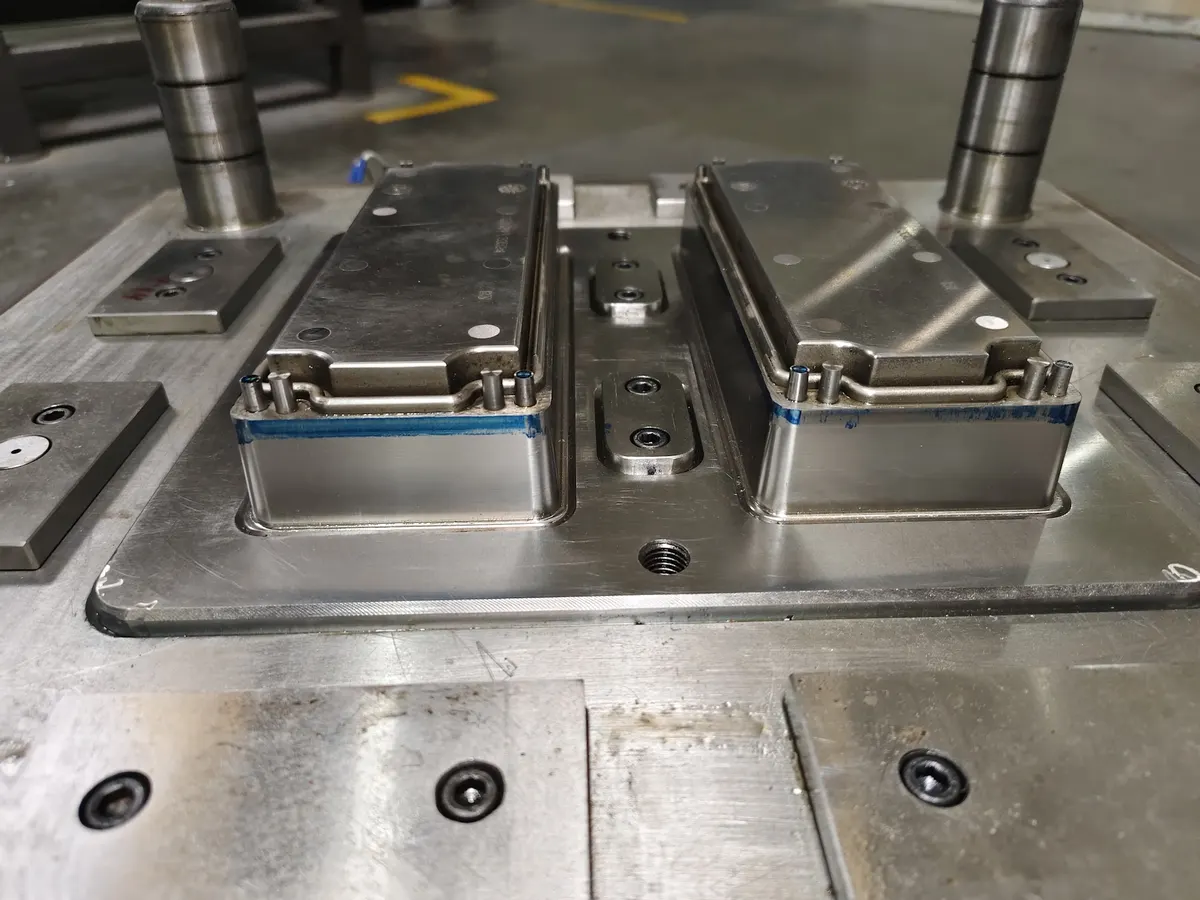
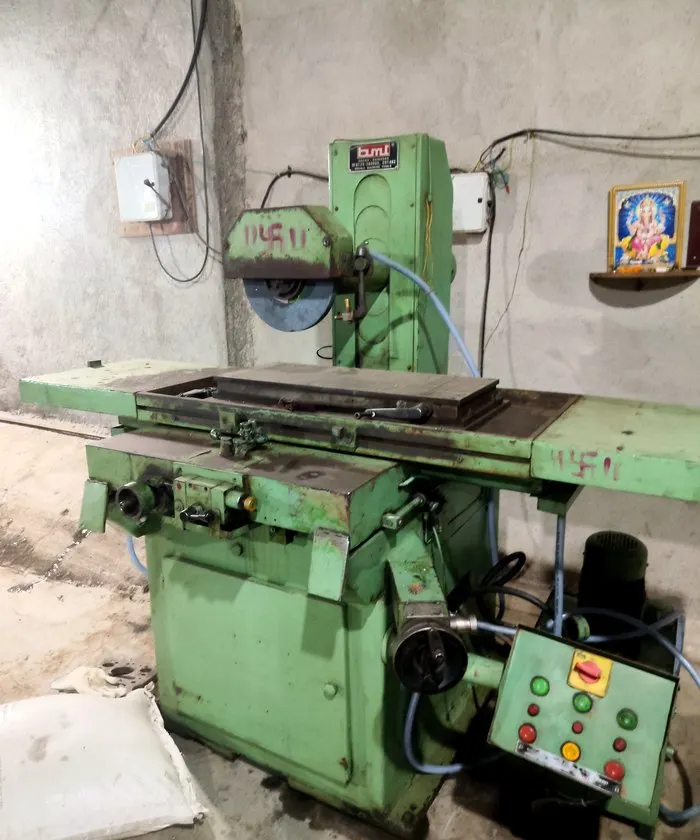
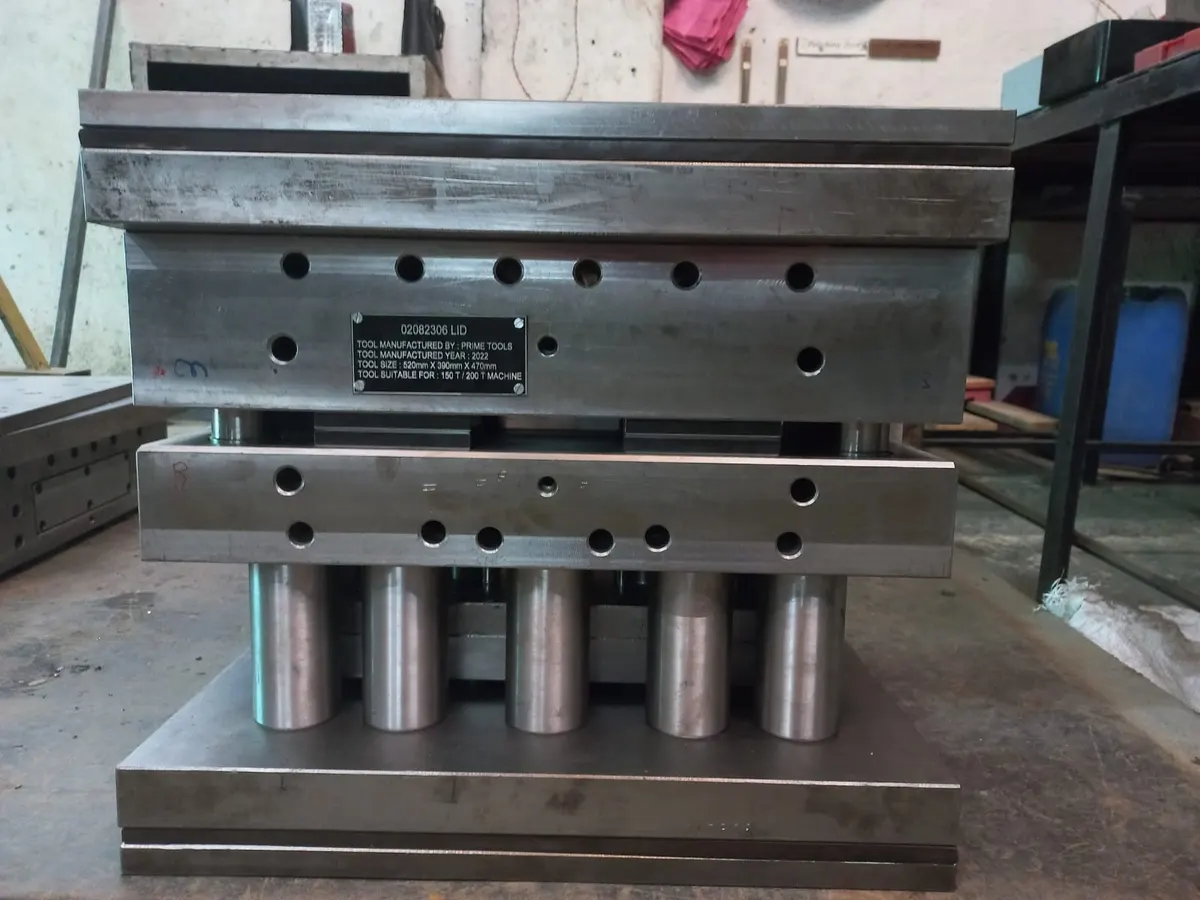
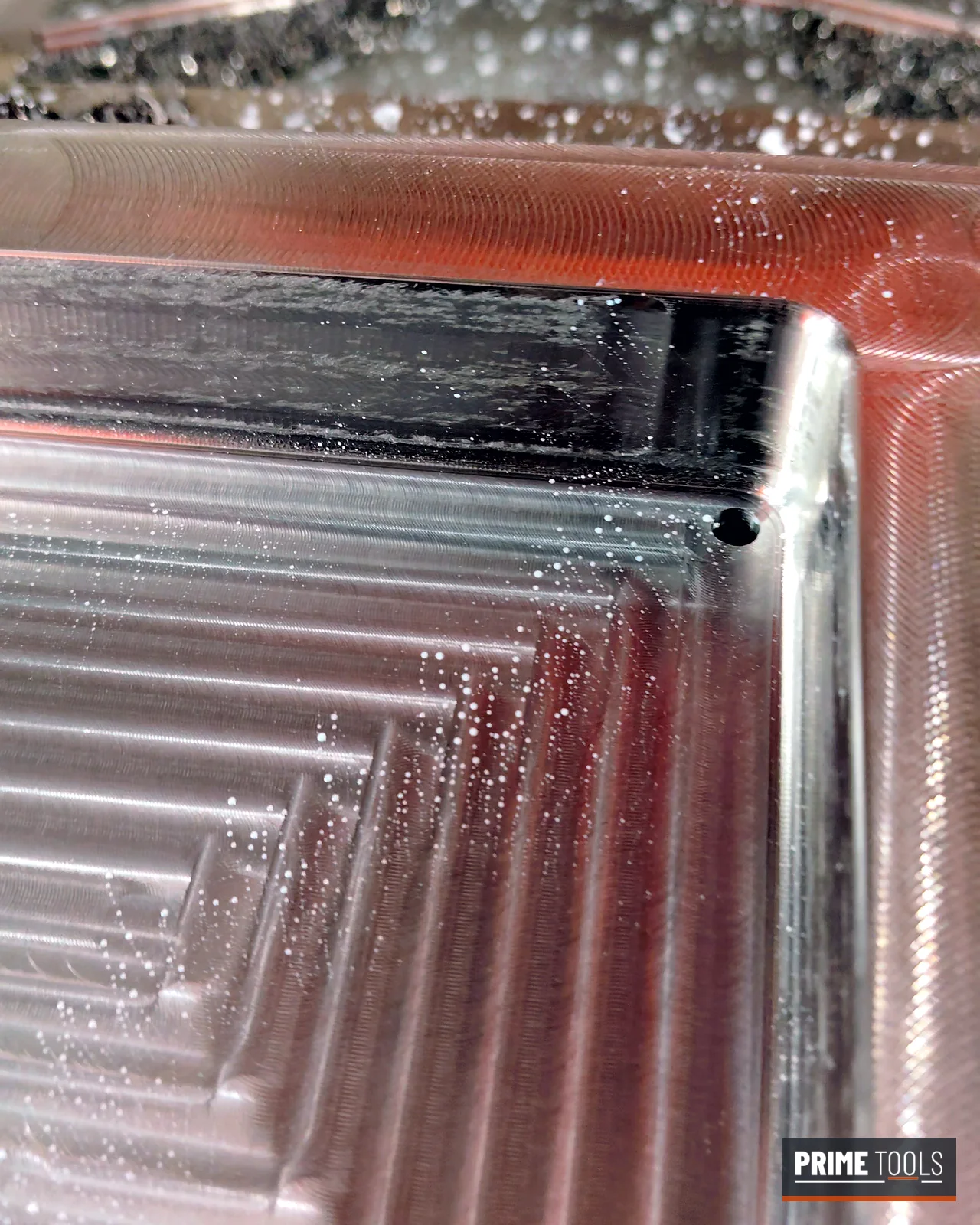
Every one of these parts is only as accurate as its mould. DMC and BMC are abrasive and copy every scratch in the cavity, so a DMC mould or BMC mould has to be hard, polished and properly vented from day one.
DMC vs BMC vs SMC
| DMC / BMC | SMC | |
|---|---|---|
| Form | Dough or bulk putty | Rolled sheet between films |
| Glass fibre length | Short (about 6–12 mm) | Long (about 25 mm) |
| Flow into fine detail | Very good | Good |
| Strength in large panels | Good | Higher |
| Typical parts | Insulators, terminal blocks, breaker housings, lamp parts | Junction boxes, meter boxes, enclosures, covers |
| Mould needs | Hard inserts, venting, fine polish | Tight shear edge, charge pattern, even heat |
Choosing between them is part of our DFM review: we look at the part size, wall thickness, detail and the strength you need, and tell you which compound and which mould design suit it.
Bakelite (phenolic), melamine and urea-formaldehyde moulds
Bakelite / phenolic
Bakelite is phenol-formaldehyde resin, usually with wood flour or mineral filler. It is hard, heat resistant and an excellent insulator, used for wiring devices, handles and electrical bases. A Bakelite mould runs at high pressure and needs good venting for the gases released during cure.
Melamine
Melamine-formaldehyde gives a hard, glossy, scratch-resistant surface in bright colours. It is used for switch plates, electrical fittings and tableware. Melamine moulds need a mirror polish and hard chrome to keep that gloss shot after shot.
Urea-formaldehyde (UF)
UF is a lower-cost thermoset with a good surface and colour range, used for sockets, switches, closures and toilet seats. Like melamine, it needs polished, chromed cavities and precise temperature control.
Typical DMC / BMC composition and moulding data
Grades vary by supplier, but a typical electrical-grade DMC or BMC falls in these ranges. Your supplier's datasheet sets the final values, and we design the DMC mould around them.
| Unsaturated polyester resin | About 20–30% by weight, with styrene and a low-shrink additive |
|---|---|
| Chopped glass fibre | About 10–25%, typically 6–12 mm long |
| Mineral filler | About 40–60%, usually calcium carbonate or alumina trihydrate for flame retardance |
| Density | About 1.8–2.0 g/cm³ |
| Moulding shrinkage | Very low, often 0–0.3% with low-profile grades |
| Mould temperature | About 140–170 °C |
| Moulding pressure | About 50–150 kgf/cm² on projected area |
Low shrinkage is why DMC holds tight tolerances on terminal blocks and breaker housings, and why the mould, not the material, usually decides the final accuracy. In thermoset moulding the material cures for good and, unlike a thermoplastic, cannot be re-melted, so DMC keeps its shape and insulation at high temperature. For more on thermosets, see compression moulding.
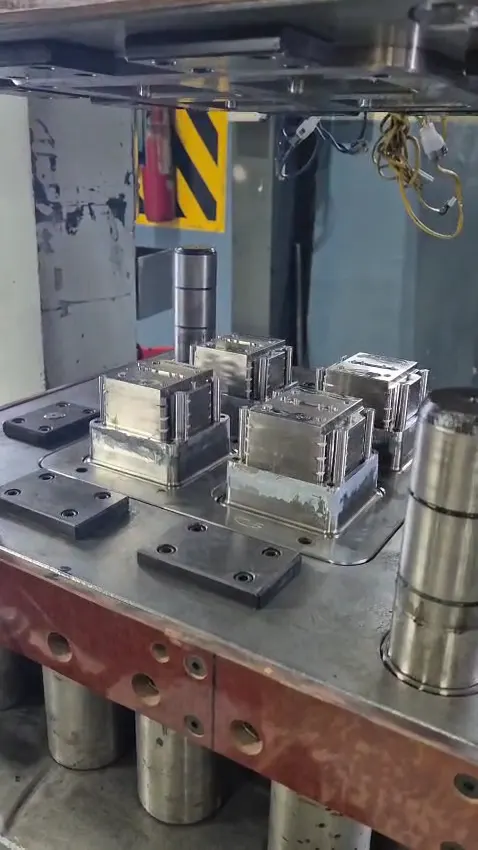
DMC, BMC and Bakelite parts we build moulds for
See the markets we serve: switchgear parts, wiring devices and lighting.
What a DMC or BMC mould and a Bakelite mould need
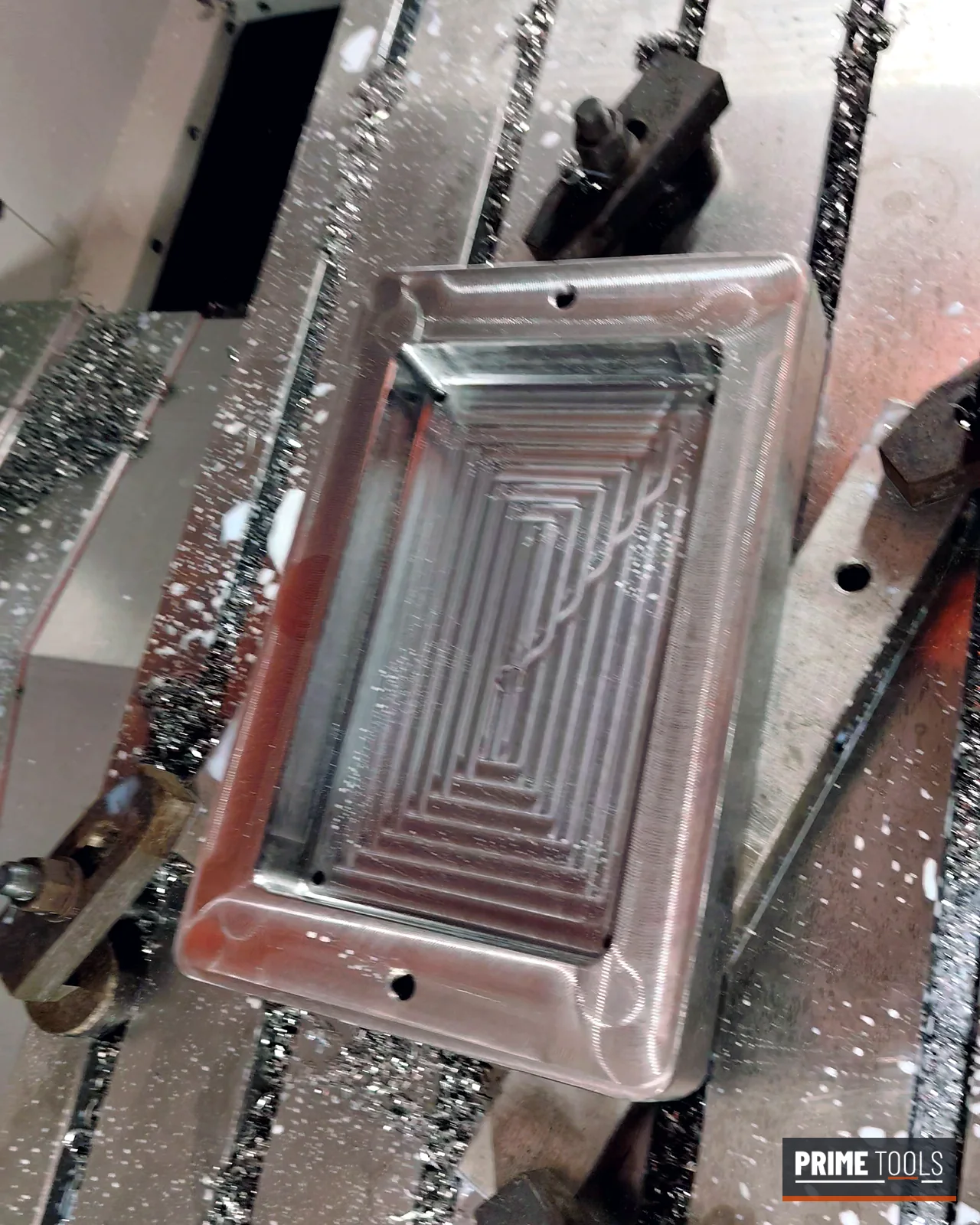
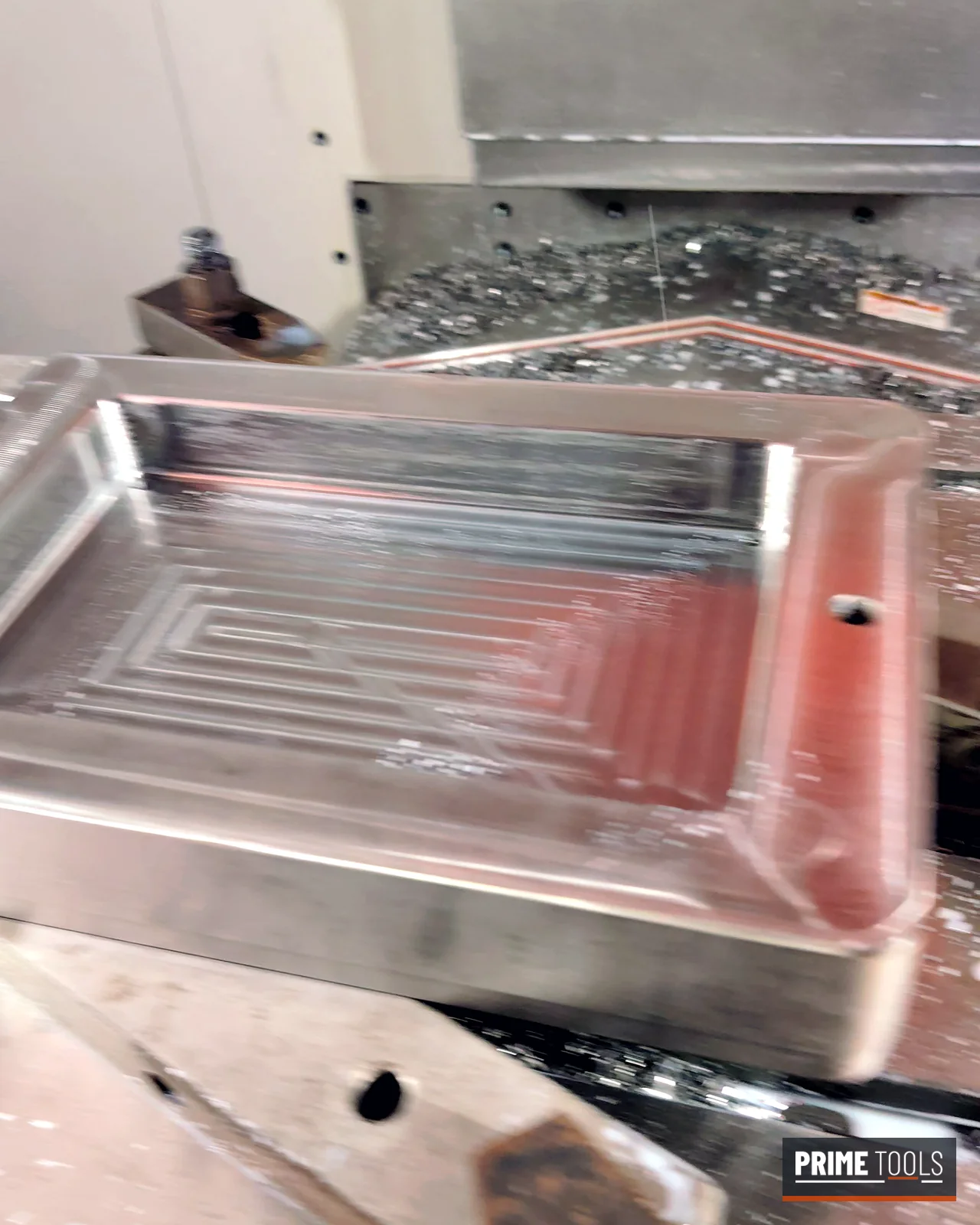
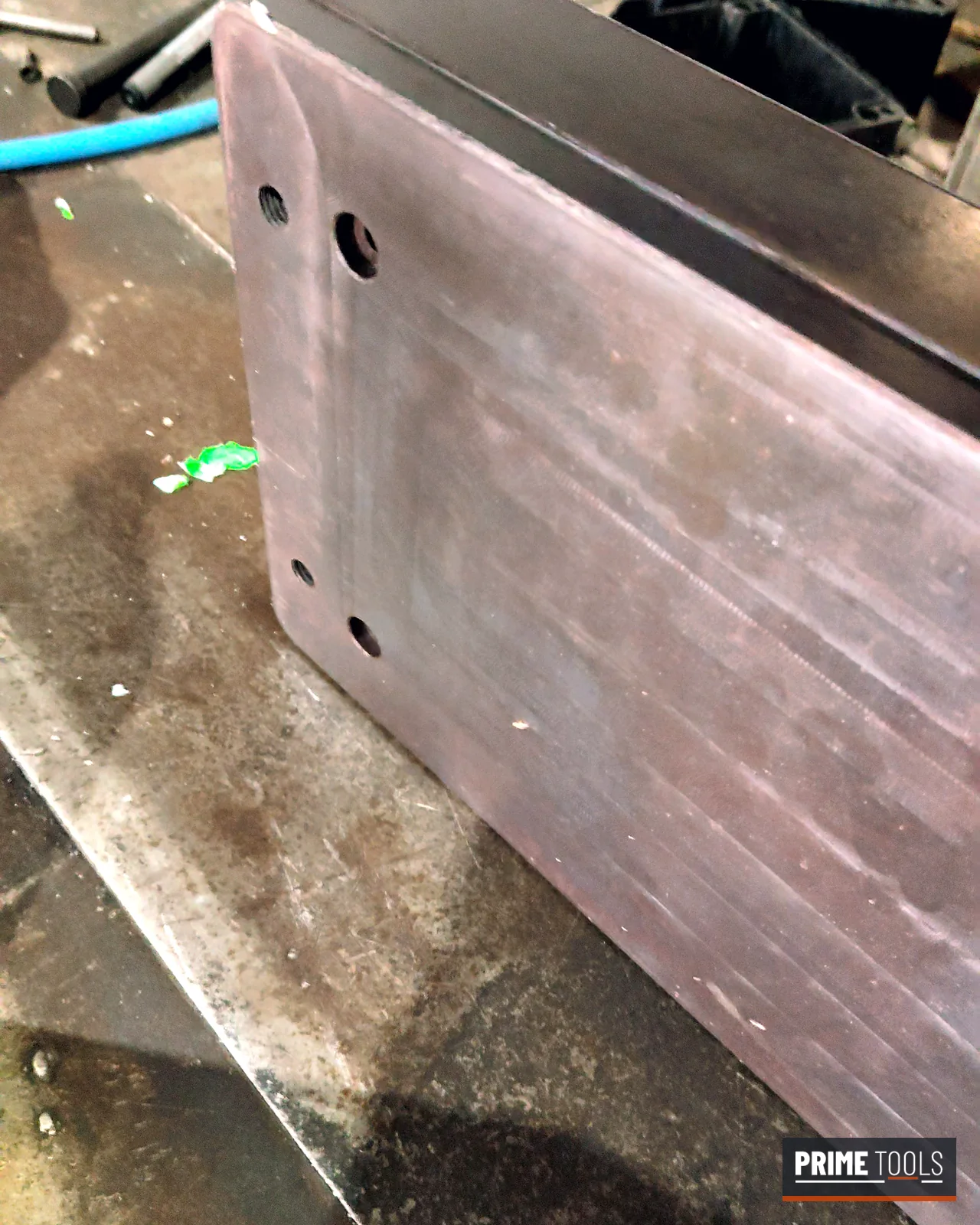
- Wear-resistant cavities. Mineral and glass fillers are abrasive. We use hardened H13 or Böhler W302 ESR inserts, polished and chromed where needed.
- Venting for cure gases. Phenolic and melamine release gas as they cure. Vents and breathing are designed in, so parts come out without blisters or burns.
- Insert pockets and pins. Brass inserts, terminals and earthing points are held by pins and pockets that stay square under pressure.
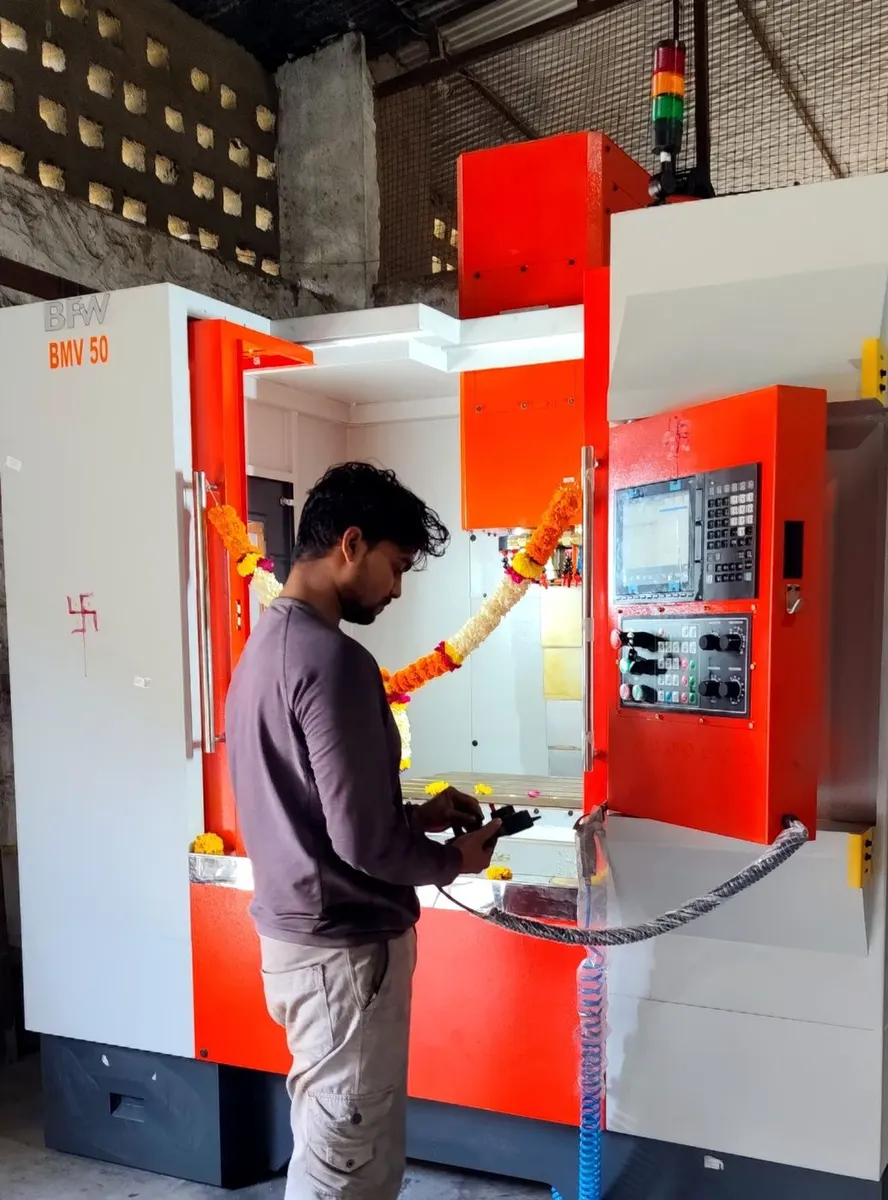
- Thin-rib detail. Ribs, slots and fine lettering are cut by EDM, so DMC and BMC can fill them cleanly.
- Balanced heating. Each cavity in a multi-cavity mould must run at the same temperature, so every part cures the same way.
- Ejection. Small, stiff parts need enough ejector area to come out square without cracking.
All of this is checked in a DFM review before we quote. Read more about compression moulds and the compression moulding process.