Telecom & fibre: what buyers need from the mould
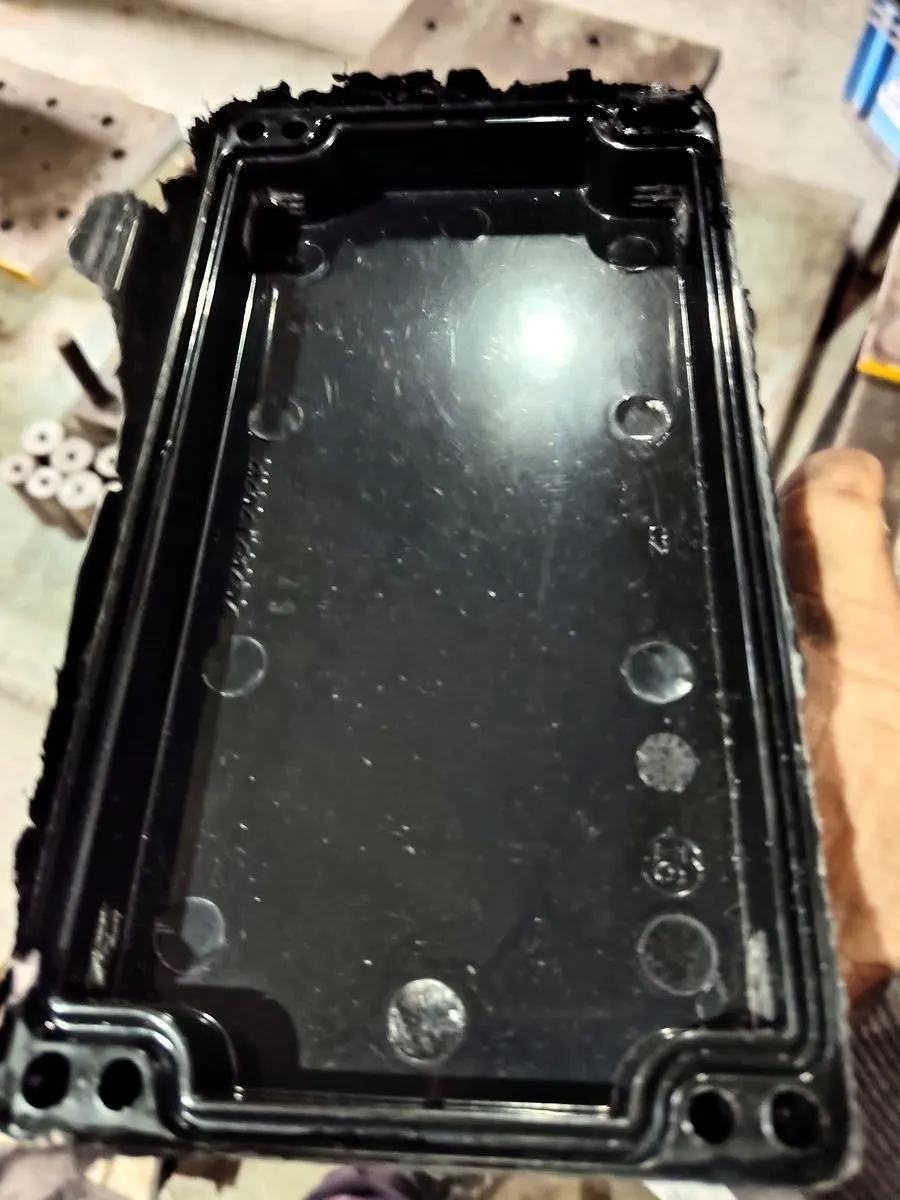
A fiber distribution box (FDB) or fiber junction box protects optical fibre splices, splitters and connectors where a network branches to buildings and homes. Outdoor and pole-mounted boxes are often compression moulded from SMC, which is strong, weatherproof, UV stable and does not corrode.
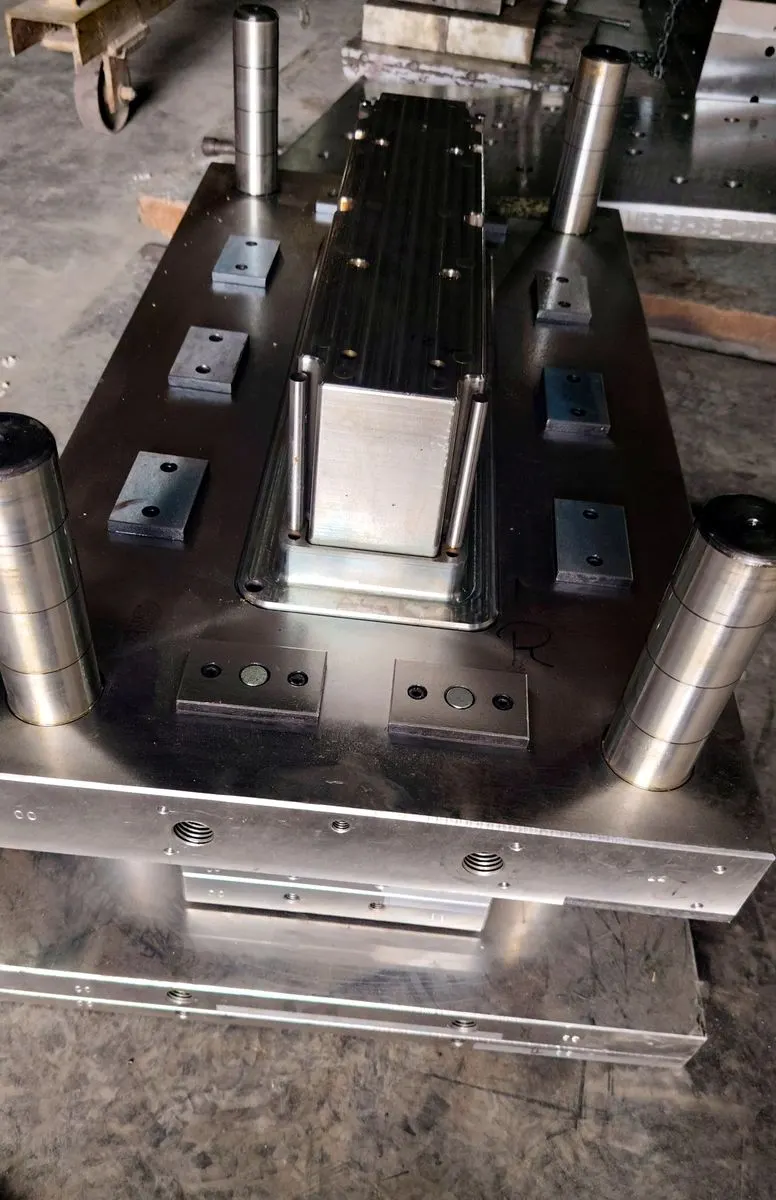
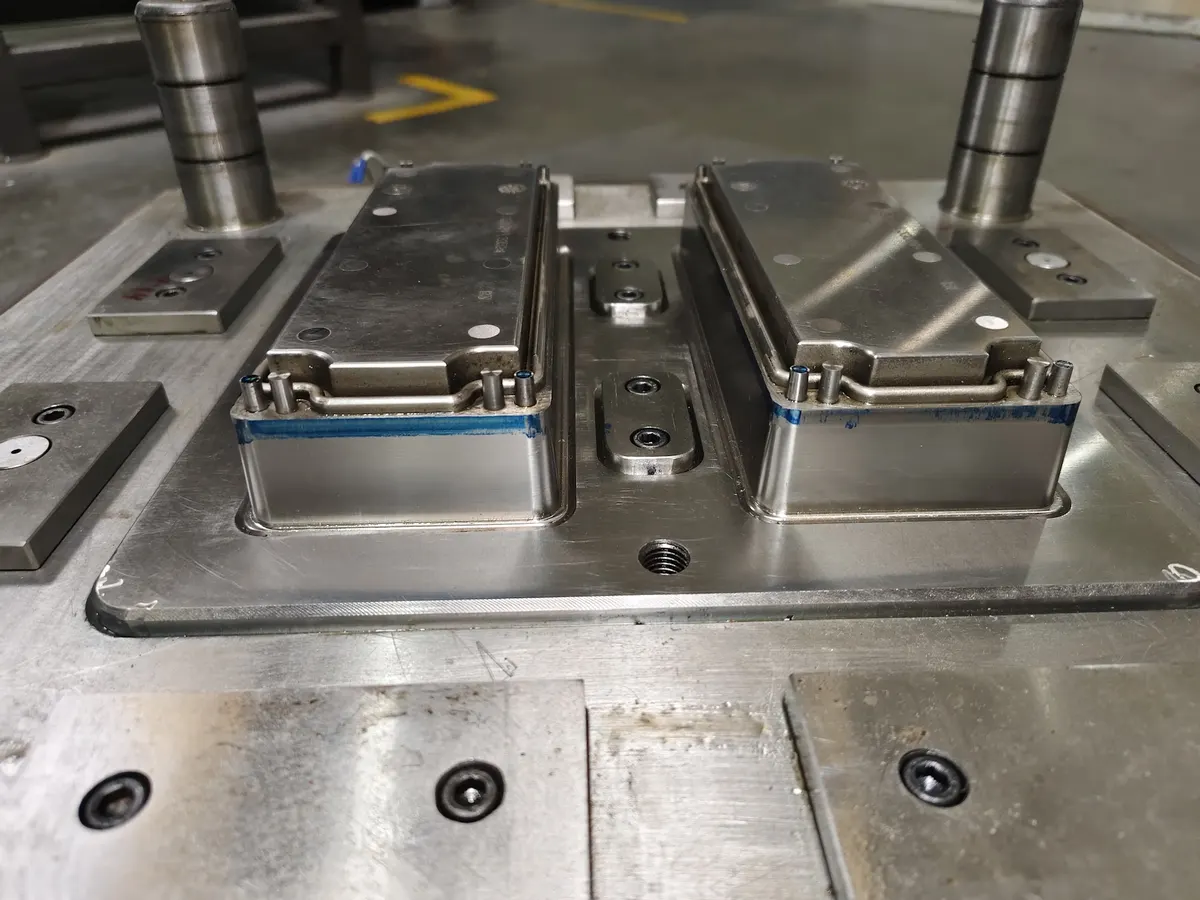
FTTH roll-outs need large numbers of distribution and termination boxes that seal well, lock securely and are quick to install. The mould sets the sealing face, the locking points and the mounting features on every box.
An optical fiber distribution box sits between the feeder cable and the drop cables to each home or building. Inside it, splice trays, splitters and adapters connect and route the fibres, so the fiber optic network can be extended and serviced without re-splicing the main cable. The box must keep out water, dust and insects for many years, often on a pole or wall in direct sun.
Typical buyers ask us for an optical distribution box, a fiber termination box for each building, or a compact FTTH box for indoor drops. All of them carry fiber optic cable entries and fiber management features (splice trays, routing guides and adapter panels) that the mould has to hold in exactly the right place.
In India the FDB box is a common sight on poles and building walls as operators extend FTTH to homes and offices. Network builders and box manufacturers need enclosures that are light enough to mount quickly, strong enough to resist impact and vandalism, and made the same way every time so that trays, adapters and gaskets fit without adjustment.
Compression moulding in SMC suits these boxes well. The material is an electrical insulator, it does not rust, it keeps its strength and colour outdoors, and one mould can produce a complete box body or door with ribs, bosses and hinge points in a single press cycle.
Telecom and fibre moulds we build
What a fibre enclosure mould must deliver
Weather sealing
A consistent gasket groove and flat faces for IP65 or IP66.
Locks and hinges
Lock points and hinges that survive repeated opening by field technicians.
Cable entry ports
Entry ports and grommet seats placed exactly to the drawing.
Internal mounting
Bosses for splice trays and adapters, with inserts where needed.
Stiff, light walls
Ribs and wall sections set in the DFM so the box stays rigid on a pole without extra weight.
Repeatable fit
Door and body moulded to the same datums, so every door fits every body on the assembly line.
| Fiber distribution box (FDB) | Fiber junction box | FTTH termination box | |
|---|---|---|---|
| Where it is used | Pole or wall, where the network branches | Joins and protects cable splices along a route | At or inside the home or building |
| What it holds | Splitters, splice trays, adapters | Splice trays and cable joints | Adapters and drop cable ends |
| Typical material | SMC (FRP / GRP) | SMC or DMC | SMC, or thermoplastic for indoor boxes |
| Key mould features | Gasket groove, door hinge, lock points, cable ports | Sealing face, cable entries, mounting lugs | Small body and cover, snap or screw fixing |
Box size, port count and sealing follow the operator or manufacturer specification; we design the mould around your drawing.
Materials and mould design
Outdoor fibre boxes and cabinets are usually SMC, also sold as fiberglass or GRP enclosures.
Every mould starts with a free DFM review: draft, wall section, shear edge, charge placement and press tonnage are checked before steel is cut. Read more about compression moulds and the moulding process.