Railway interiors: what buyers need from the mould
Railway interior panels such as toilet wall and ceiling panels, wash-basin units and floor trays are widely compression moulded from SMC (sheet moulding compound, a GRP / FRP material). SMC panels are light, stiff, easy to clean, resist water and cleaning chemicals, and can be made with fire-retardant grades for railway fire, smoke and toxicity requirements.
Coach builders and interior suppliers are moving from hand-laid FRP to compression-moulded SMC for toilet modules and interior panels. A compression mould gives the same panel every cycle: both faces finished, consistent thickness, and holes, bosses and ribs formed in the mould instead of drilled later.
Railway panels are large and visible, and they have to fit together in the coach. That puts the demand on the mould: an even, polished cavity for a good surface, balanced heating so big panels cure flat, and shear edges that hold their size over a long run.
We are a specialist compression mould maker. Every new railway panel starts with a free DFM review of the part: wall section, ribs, draft, the panel-to-panel joints and the press tonnage it will need, before any steel is cut.
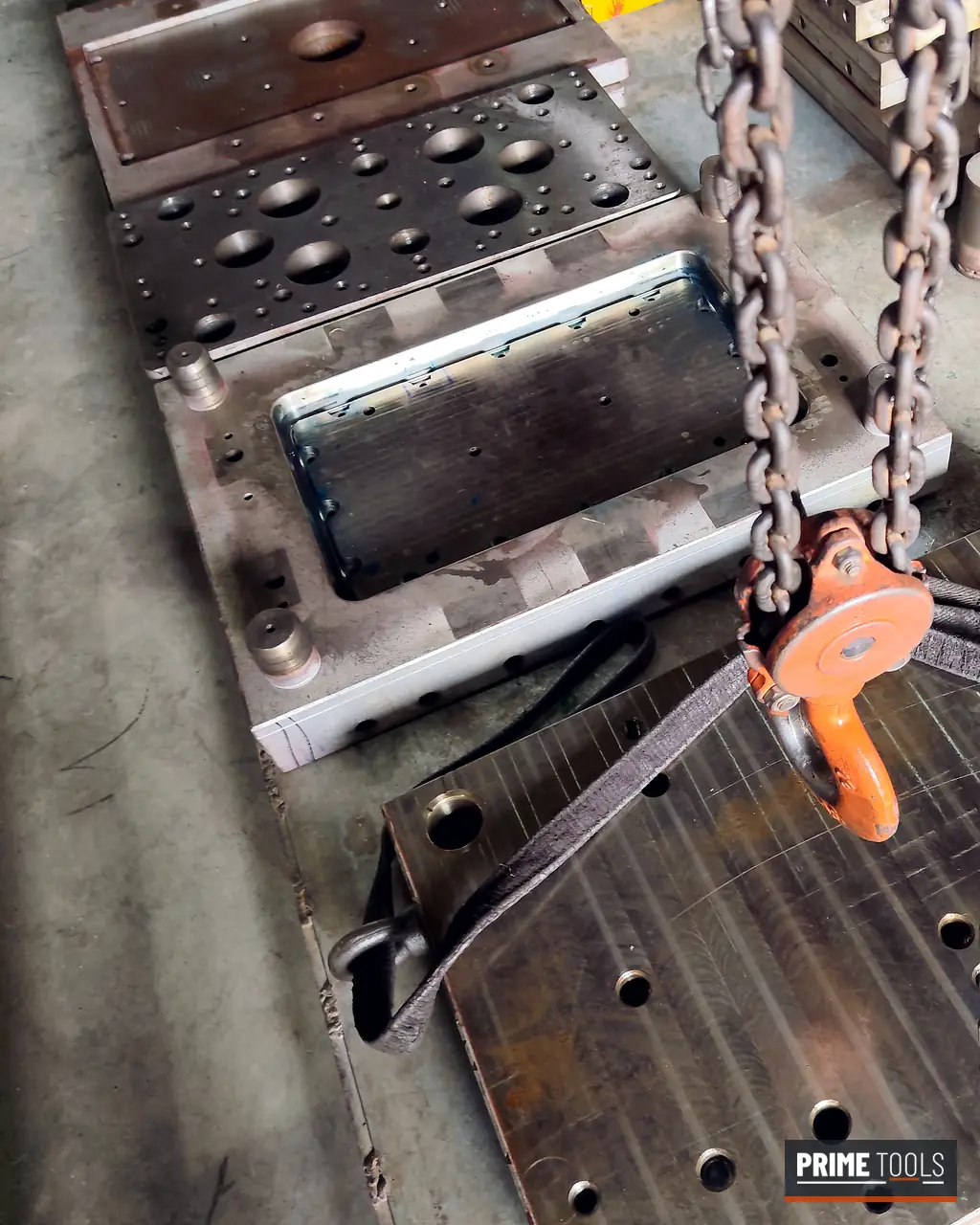
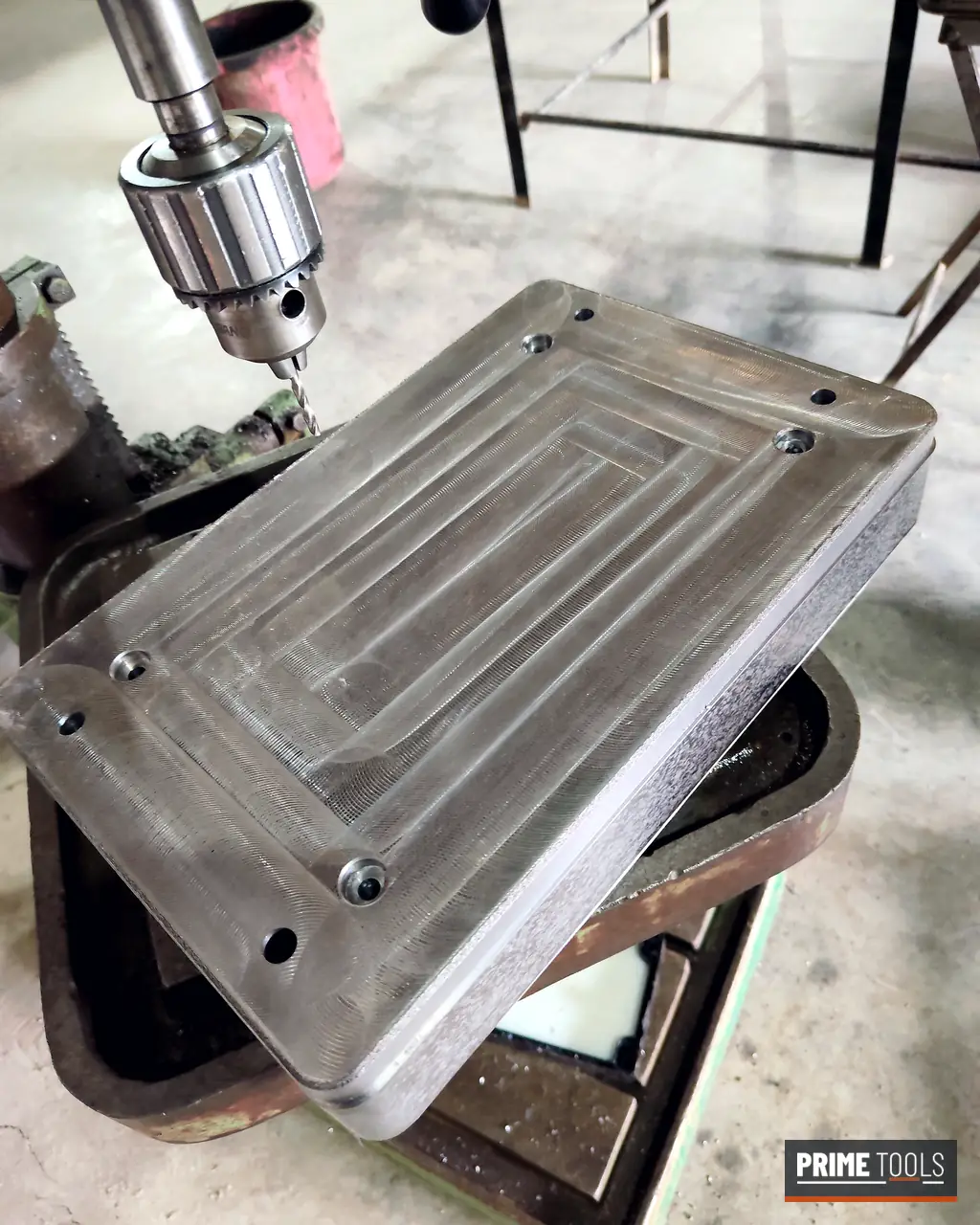
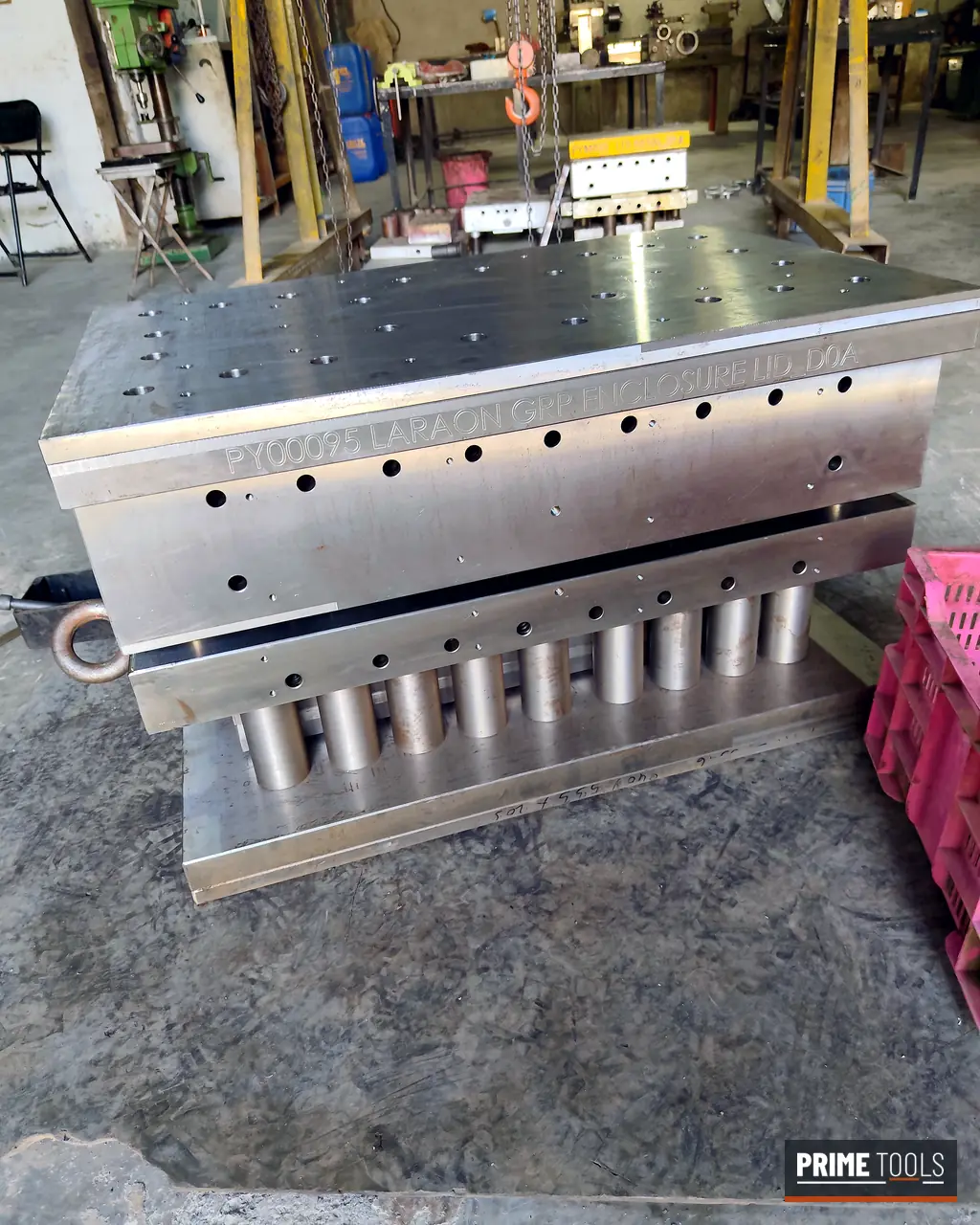
Railway interior panel moulds we can build
What a railway panel mould must deliver
A visible-quality surface
Polished, even cavities so panels come out ready for the coach, with little or no finishing.
Flat, stable panels
Balanced heating and a well-placed charge so large panels cure evenly and do not warp.
Repeatable fit
Tight shear edges and accurate inserts so every panel lines up with the next one in the module.
Fire-safe material, moulded right
Fire-retardant SMC grades are filled and cured under the right settings, which the mould design has to allow for.
SMC compression moulding vs hand lay-up FRP for railway panels
| SMC compression moulding | Hand lay-up FRP | |
|---|---|---|
| Surface | Both faces finished from the mould | One good face, back face rough |
| Consistency | Same thickness and weight every cycle | Depends on the operator |
| Holes, ribs and bosses | Formed in the mould | Usually drilled or bonded later |
| Cycle time | Minutes per panel | Hours per panel |
| Tooling cost | Higher (hardened steel mould) | Lower (FRP or wood pattern) |
| Best for | Series production of coaches | Prototypes and very low volume |
For series production of coach interiors, SMC moulding usually pays back the higher tooling cost through faster cycles and less finishing.
Materials and mould design
Railway interior panels are usually SMC (GRP / FRP) in a fire-retardant grade. The fire, smoke and toxicity standard (for example EN 45545-2 or the railway specification your project calls for) is met by the material grade and the moulding process; we design the mould around the grade your moulder will run. See how we approach a new part on our DFM and mould design page.
Every mould starts with a free DFM review: draft, wall section, shear edge, charge placement and press tonnage are checked before steel is cut. Read more about compression moulds and the moulding process.