
Electric Meter Box: Types, Materials and Specifications
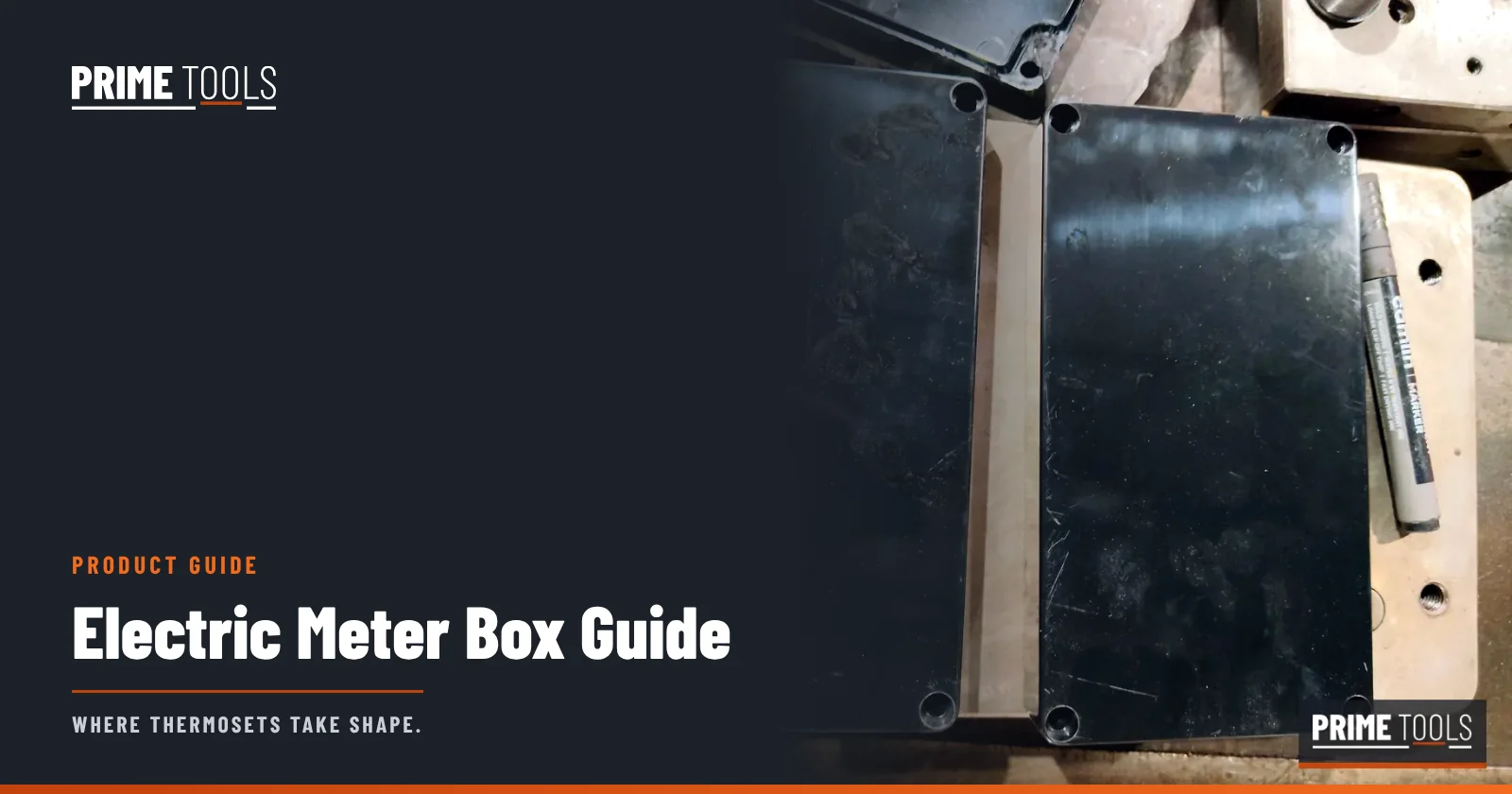
An electric meter box is a weatherproof, tamper-resistant enclosure that houses an electricity meter, and often its MCB or isolator, at the point where the supply enters a home, shop or building. In India most electricity distribution companies (DISCOMs) now specify SMC (fibreglass polyester) meter boxes because they do not rust or conduct electricity, resist sun and rain, and can be sealed against tampering. The right box depends on the meter type (single phase, three phase or CT-operated), the DISCOM’s specification, the IP rating and the installation site.
Every electricity connection in India ends at a meter, and almost every meter outdoors sits inside a meter box. A good box protects the meter from rain, dust, sun and theft for years; a poor one cracks, fades, lets water in, or is easily opened to tamper with the meter. This guide explains the types of electric meter box, the materials, what DISCOM specifications usually require, how to install a box, and how SMC meter boxes are made.
We build the compression moulds used to make SMC meter boxes, so the last sections also cover what manufacturers should look for in a meter box design and mould.
What is an electric meter box?
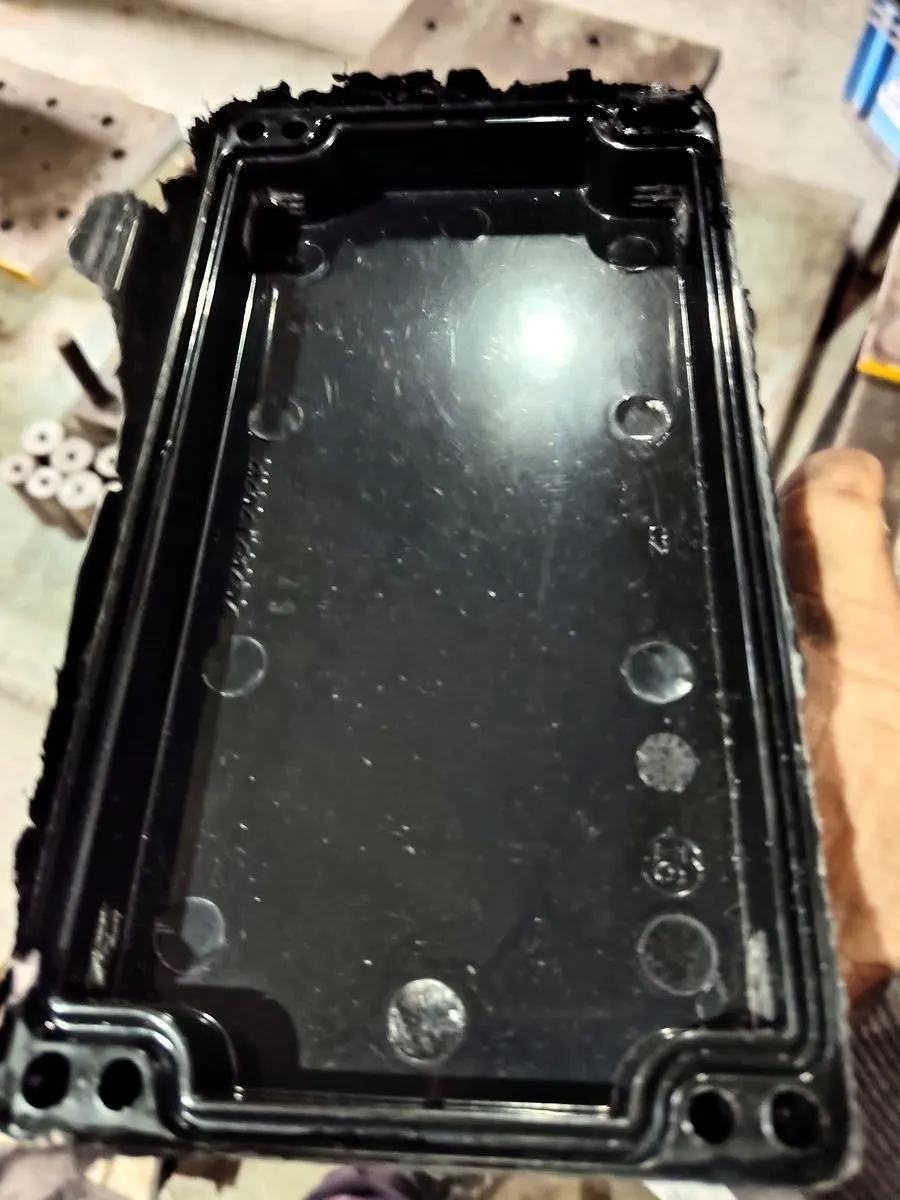
An electric meter box (also called a meter cabinet or meter enclosure) is the housing for an energy meter. It usually has a base that is fixed to the wall or pole, a cover with a viewing window so the meter can be read without opening the box, and provision for the utility’s seals so the box cannot be opened without the seal being broken. Larger boxes also hold an MCB, isolator, CTs or a modem for smart meters.
Types of electric meter box
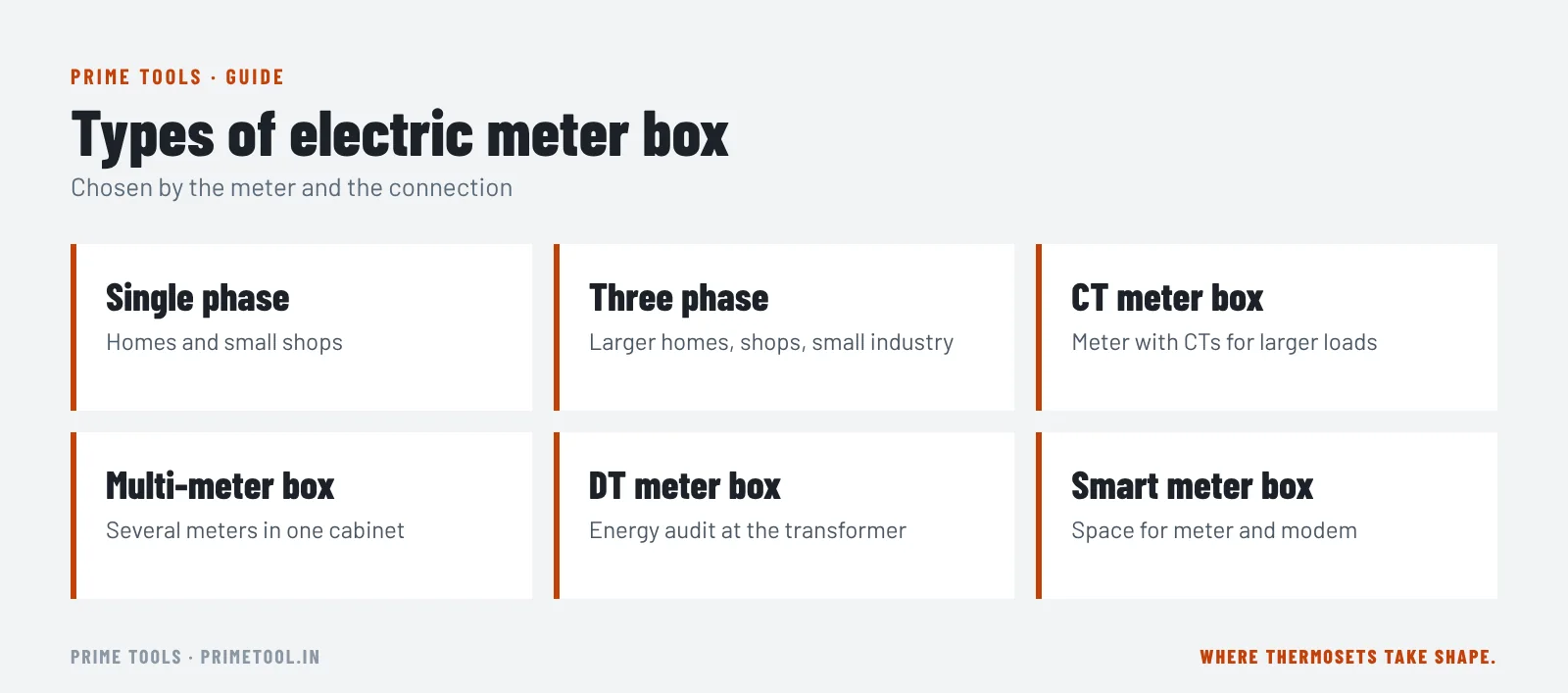
- Single phase meter box. For homes and small shops with a single phase meter. Compact, with one window and cable entries at the bottom.
- Three phase meter box. For larger homes, shops and small industry with a three phase whole-current meter. Larger, often with space for an MCB or isolator.
- CT meter box (LT CT metering). For larger loads where the meter is connected through current transformers. Holds the meter, CTs and terminal blocks, so it is much larger.
- Multi-meter box (group metering). Holds several meters in one cabinet for apartment buildings and commercial complexes.
- Distribution transformer (DT) meter box. Houses the energy-audit meter at a distribution transformer, often with CTs and a modem.
- Smart meter box. Sized for smart meters and, where needed, a communication module.
Electric meter box materials compared
| Material | Strengths | Watch out for |
|---|---|---|
| SMC (fibreglass polyester) | Rust-proof, insulating, UV and heat resistant, fire retardant, high impact strength, tamper resistant | Must be moulded in a proper compression mould; heavier than thermoplastics |
| Polycarbonate | Tough, light, transparent options, good for smaller boxes | Needs UV stabilisation for outdoor use; may yellow over time |
| Mild steel (powder coated) | Strong, low cost for large cabinets | Rusts when the coating is damaged; conducts electricity and must be earthed |
| Stainless steel | Corrosion resistant | Expensive; conducts electricity |
SMC has become the standard choice for DISCOM meter boxes because it combines insulation, outdoor durability, fire resistance and tamper resistance. Learn more about the material in our guide to sheet moulding compound.
What DISCOM meter box specifications usually require
Each DISCOM publishes its own technical specification, so always work from the latest one for your state. As an example, MSEDCL’s published specification for single phase SMC meter boxes includes:
- Material: glass-reinforced polyester SMC (grade S3 to IS 13410), virgin material, with a minimum glass content.
- Wall thickness: minimum 3 mm on the load-bearing side and 2 mm elsewhere, with a 2 mm cover.
- Protection: IP55 to IS 13947 (Part 1).
- Fire: UL 94 V-0 flammability, self-extinguishing, and a glow-wire test.
- Weathering: UV-stabilised so the box does not yellow or change shape after UV ageing tests.
- Heat: high heat deflection temperature and no distortion in boiling water.
- Window: toughened glass of a minimum size, fitted from the inside so it cannot be removed from outside.
- Tamper protection: non-detachable self-locking fasteners, sealing holes for the utility’s seals, and a cover that blocks tool access to the meter.
- Construction: one-piece base and cover, overlapping cover with a neoprene gasket, sloping roof to shed rain.
- Colour and marking: a specified grey colour, with embossed details such as manufacturer, year and the utility’s name.
- Testing: type tests at an NABL-accredited laboratory, routine and acceptance tests to IS 14772 and IS 13410, and a multi-year guarantee.
Other DISCOMs specify similar requirements with their own sizes and details. Read the full specification before designing or buying a box.
IP rating for meter boxes
Most outdoor meter boxes are specified at IP55 or higher: protected against dust and water jets. For exposed coastal or heavy-rain sites, IP65 gives extra margin. The rating only holds if the gasket is seated, the cover is fixed correctly and cable entries use proper grommets or glands. Read how IP ratings work in our enclosure box guide.
How to install an electric meter box
- Position: where the meter reader can see the display through the window, usually at about eye level, protected from direct rain where possible.
- Fixing: use all fixing points on a flat wall or pole bracket so the base does not twist.
- Cable entry: bring cables in from the bottom, through the specified grommets or glands, with drip loops so water runs away from the box.
- Earthing: earth metal boxes and any metal parts as required.
- Sealing: after the utility installs and seals the meter, do not drill extra holes or remove the gasket.
- Clearance: leave space around the box so the cover can be opened for maintenance.
Free DFM review
Planning a mould for this part?
Send your 3D model or drawing, material and annual volume. Our engineers reply within one working day.
What decides electric meter box price?
- Type and size: single phase boxes are the smallest; CT and multi-meter boxes are much larger.
- Material and grade: SMC to DISCOM grade, with fire-retardant and UV-stable additives, costs more than general-purpose plastic.
- Window: toughened glass costs more than plain polycarbonate sheet.
- Fittings: MCB space, DIN rails, terminal blocks, locks, sealing hardware and fasteners.
- Testing and approval: DISCOM type tests and guarantees add cost, but are required for supply to utilities.
- Quantity: moulded boxes become much cheaper per piece in volume because the mould cost is shared.
How SMC meter boxes are made
SMC meter boxes are made by compression moulding. A weighed charge of SMC is placed into a heated steel mould, a hydraulic press closes it, and the material flows and cures in a few minutes. The base and the cover each need their own mould.
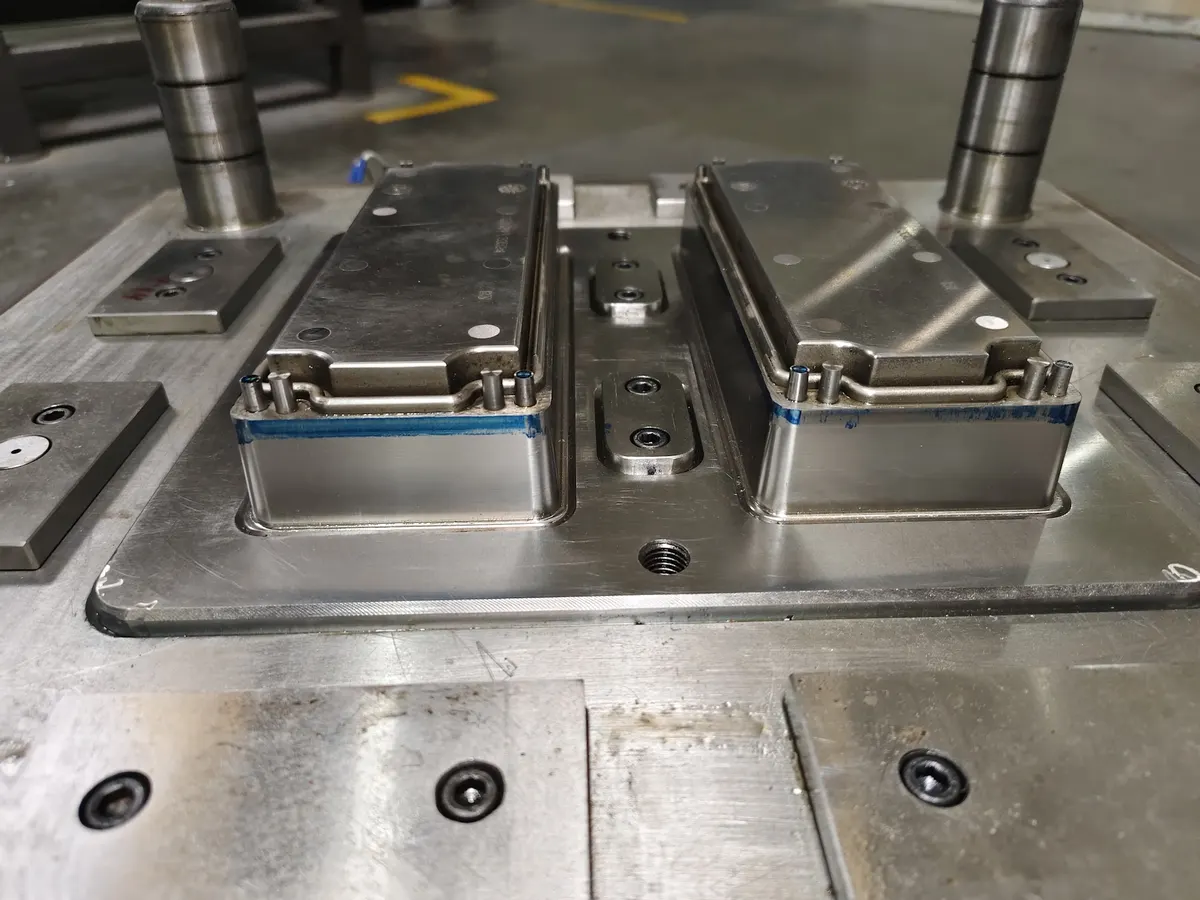
The mould decides whether a meter box passes DISCOM inspection. A good meter box mould needs:
- Even wall thickness that meets the minimum on every face.
- Flat sealing faces and an accurate gasket groove so the box meets its IP rating.
- Hardened shear edges for clean, thin flash and long mould life.
- Polished, chrome-plated cavities for a good surface and colour.
- Accurate positions for fasteners, sealing holes, window frame and fixing holes.
- Embossing for the DISCOM’s marking, made as interchangeable inserts so it can be changed for different orders.
- Even heating so parts cure fully and stay flat.
For meter box manufacturers
If you make meter boxes for DISCOMs, your mould is your biggest single investment and the main reason boxes pass or fail inspection. Prime Tools builds compression moulds for SMC meter boxes, junction boxes and enclosures, starting with a free DFM review of your box design against the DISCOM specification. See our guide to SMC junction boxes and meter boxes, our compression moulds, or send us your drawing.
Frequently asked questions
Which material is best for an electric meter box?
For outdoor utility meters, SMC is the most widely specified material because it is insulating, rust-proof, UV and fire resistant and tamper resistant. Polycarbonate is used for smaller boxes, and steel for some large cabinets.
What is the IP rating of a meter box?
Most DISCOM specifications require IP55 or higher, meaning the box is protected against dust and water jets.
What is the difference between a single phase and a three phase meter box?
A single phase meter box is smaller and houses a single phase meter for homes and small shops. A three phase meter box is larger, houses a three phase meter, and often has space for an MCB or isolator.
What is a CT meter box?
A CT meter box houses a meter that is connected through current transformers, used for larger loads. It holds the meter, CTs and terminal blocks, so it is larger than a whole-current meter box.
Why do DISCOMs use SMC meter boxes?
Because SMC does not rust or conduct electricity, withstands Indian sun and monsoon, meets fire ratings, resists impact, and can be sealed against tampering.
Can I fit any meter box for a new connection?
Utilities usually require a box that meets their specification, and many supply or approve the box. Check with your DISCOM before buying.

Written by the Prime Tools engineering team
Compression mould makers in MIDC Ahilyanagar, Maharashtra, since 2015. We design and build moulds for SMC, DMC/BMC, Bakelite, melamine and urea parts, and repair die casting dies. About us
Keep reading
Products
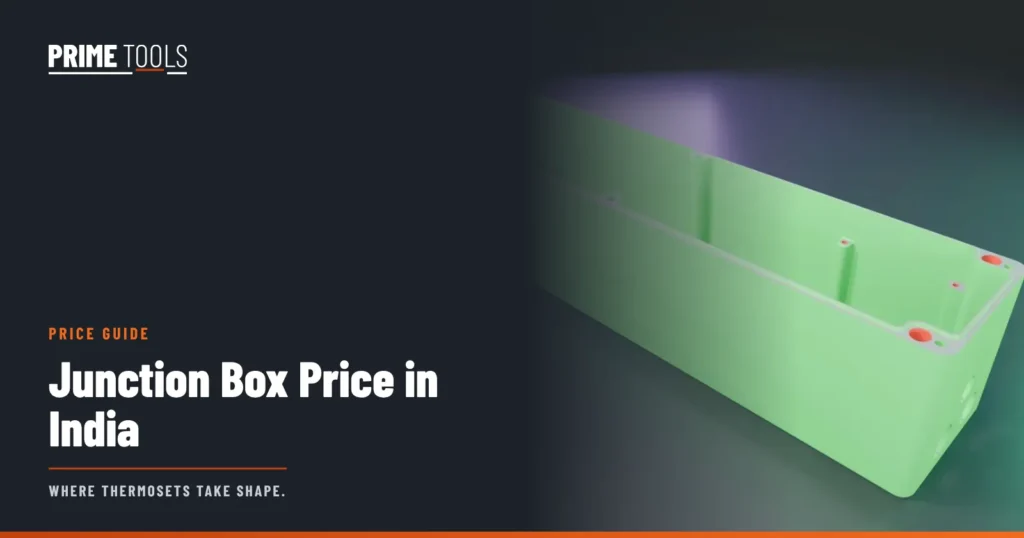
Junction Box Price in India: PVC, ABS, SMC and Metal
Junction box price in India compared by material: PVC, ABS, polycarbonate, SMC/FRP, aluminium, mild steel and stainless steel, with typical price ranges and what…
6 min read · Read article →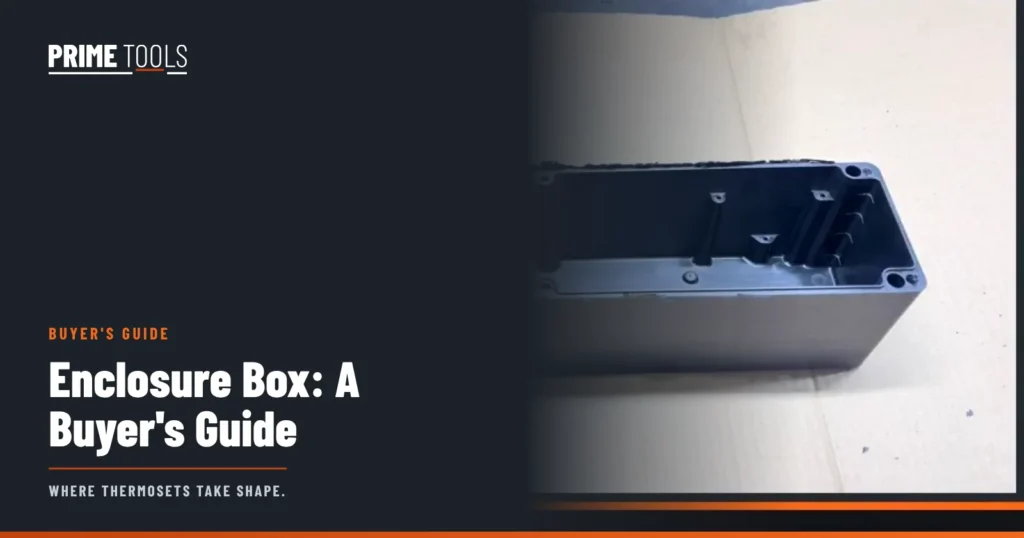
Products
Enclosure Box Guide: Types, Materials, IP Ratings and Sizes
Enclosure box guide from an enclosure mould manufacturer: plastic, metal and SMC boxes, MCB and electrical enclosures, IP65 and IK ratings, sizing, price drivers…
10 min read · Read article →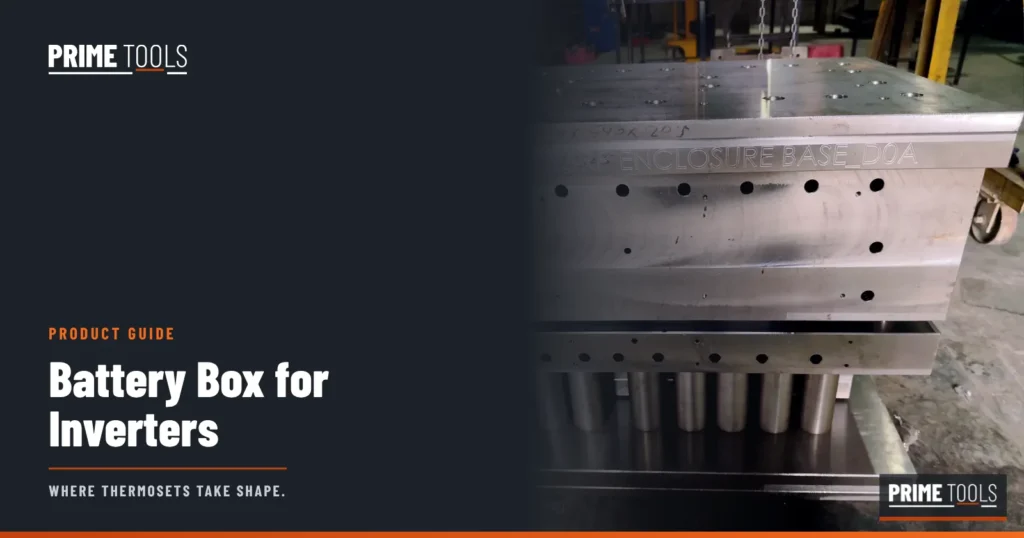
Products
Battery Box for Inverters: Why SMC and BMC Are Used, and What to Look For
Inverter battery boxes compared: SMC/BMC, plastic and metal. Heat, acid and fire resistance, ventilation, and how SMC battery boxes are moulded.
5 min read · Read article →