
SMC vs BMC: Differences Explained with Real Product Examples
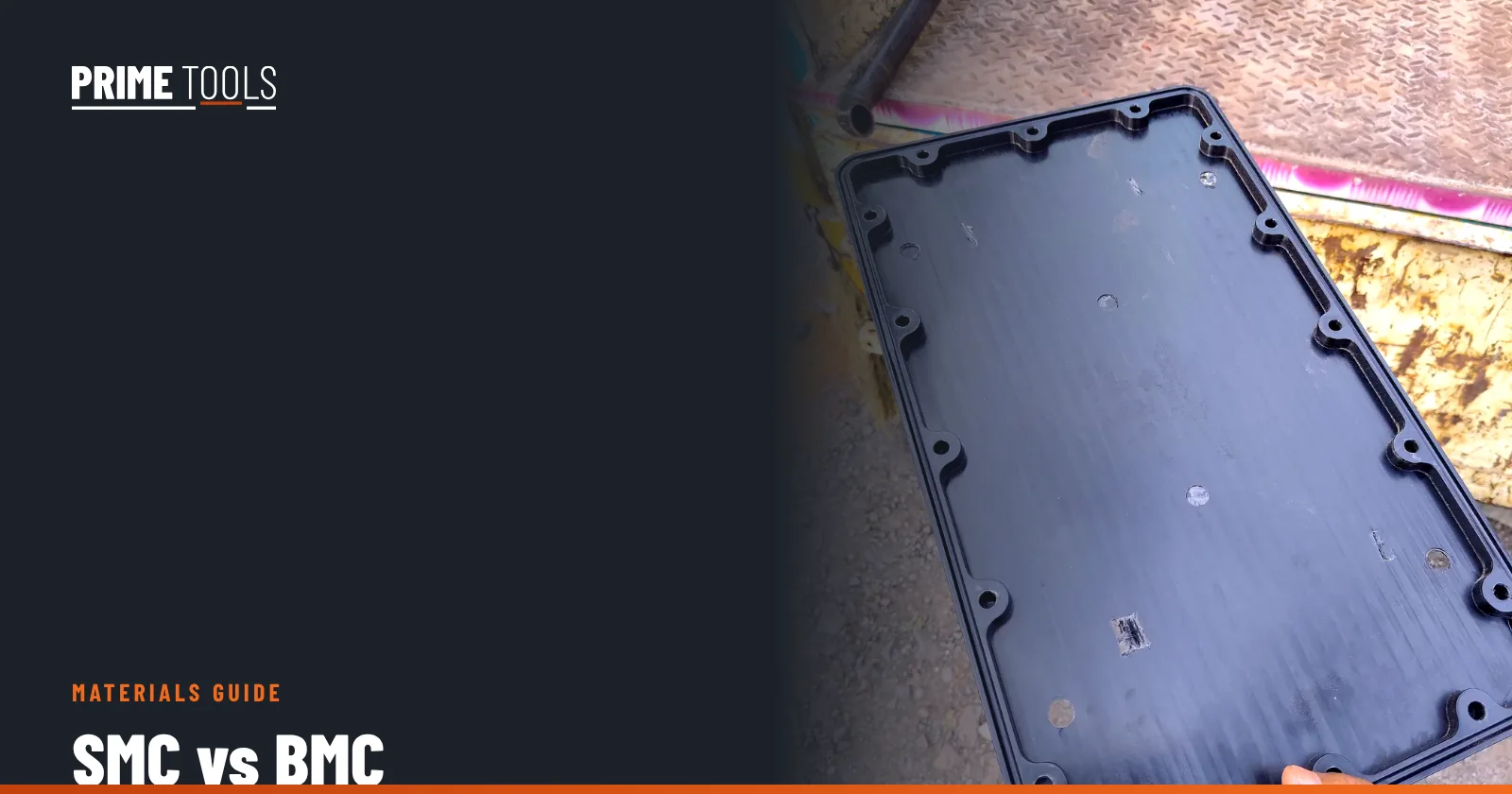
SMC (sheet moulding compound) and BMC (bulk moulding compound) are both glass-fibre-reinforced polyester thermosets that cure in a heated mould. The key difference is form and fibre length: SMC comes as a sheet with long fibres (typically around 25 mm) and suits large, thin, strong parts such as enclosures and covers. BMC comes as a bulk dough with short fibres and suits smaller, detailed parts such as switchgear housings and lamp holders.
Both materials are moulded in tools we build every week at Prime Tools, so this guide is written from the shop floor. Below you will find the differences that matter, a side-by-side table, and real product examples for each, so you can decide which compound fits your part.
What is sheet moulding compound (SMC)?
SMC is made on a production line. A paste of resin, filler and additives is spread onto a carrier film, chopped glass rovings are dropped onto it, a second layer of paste is laid on top and the “sandwich” is compacted and rolled up. After a maturation period, the paste thickens to a leather-like sheet that can be cut and stacked.
At the press, the moulder cuts the sheet into pieces, stacks them into a charge of the right weight, places the charge on the lower mould half and closes the press. The material flows outwards under pressure, fills the cavity and cures. Because the fibres are long, an SMC part is strong and stiff even with thin walls. You can read more in our article on how the SMC process works step by step.
What is bulk moulding compound (BMC)?
BMC is mixed in a batch mixer, not on a line. Resin, filler, short chopped glass and additives are kneaded into a dough. It is supplied in bulk, in logs or in bags. Because the fibres are short and the material is a dough, BMC flows easily around pins, ribs and bosses. That makes it ideal for compact parts with a lot of detail.
In India and the UK the same material is often called DMC (dough moulding compound). We explain the material in depth in our dough moulding compound guide.
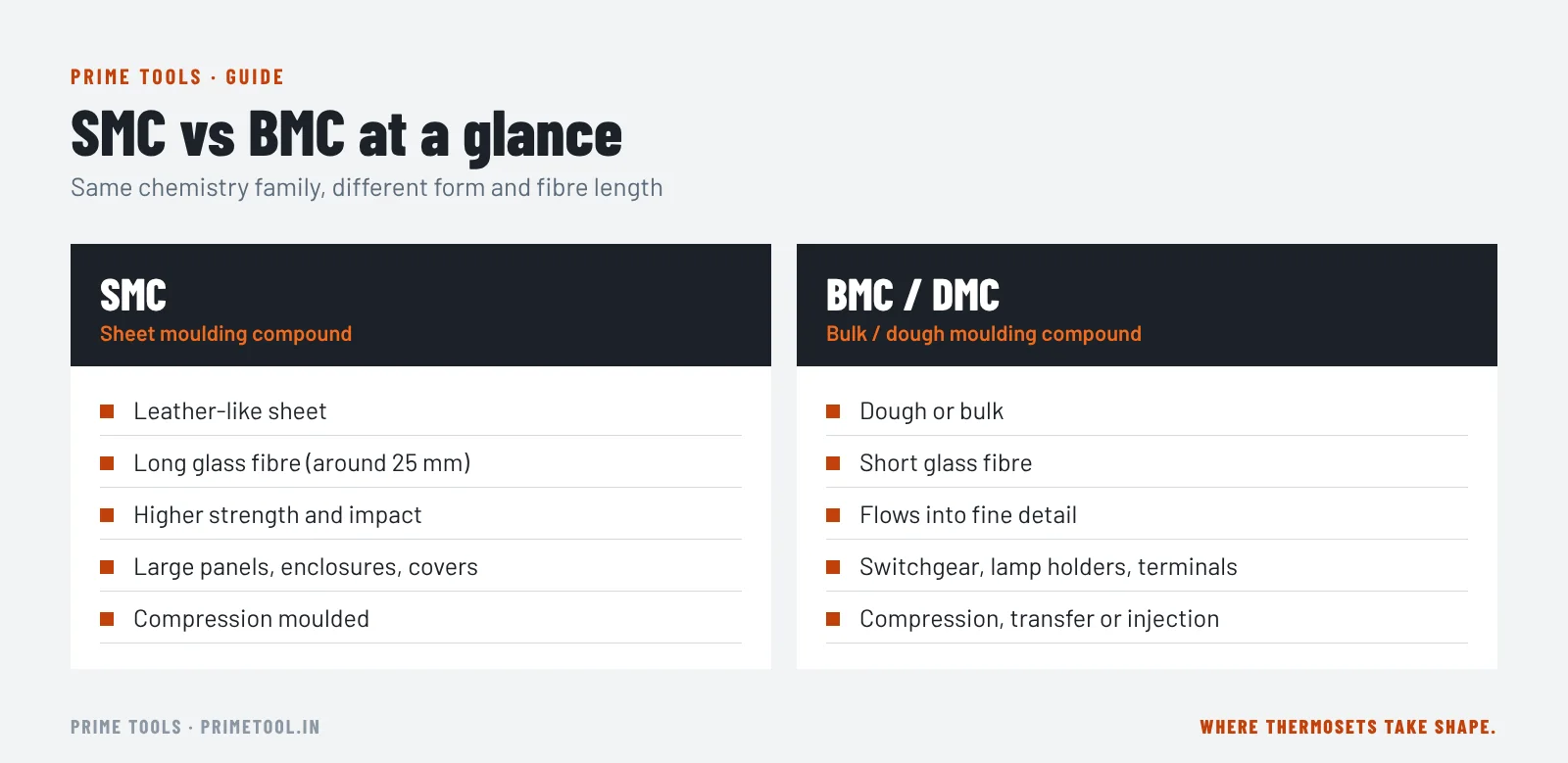
SMC vs BMC: side-by-side comparison
| SMC (sheet moulding compound) | BMC / DMC (bulk or dough moulding compound) | |
|---|---|---|
| Form | Leather-like sheet on film | Dough, logs or bulk |
| Glass fibre length | Long, around 25 mm | Short, a few mm to around 12 mm |
| Glass content | Usually higher | Usually lower |
| Strength and impact | Higher | Good, but lower than SMC |
| Flow into fine detail | Moderate | Very good |
| Typical part size | Medium to very large | Small to medium |
| Typical wall | Thin to medium, large areas | Medium, compact |
| Moulding process | Compression | Compression, transfer or injection |
| Mould size and cost | Larger tools, higher press tonnage | Smaller tools, often multi-cavity |
Neither material is “better”. The right choice depends on part size, required strength, detail and volume.
Real examples of SMC products
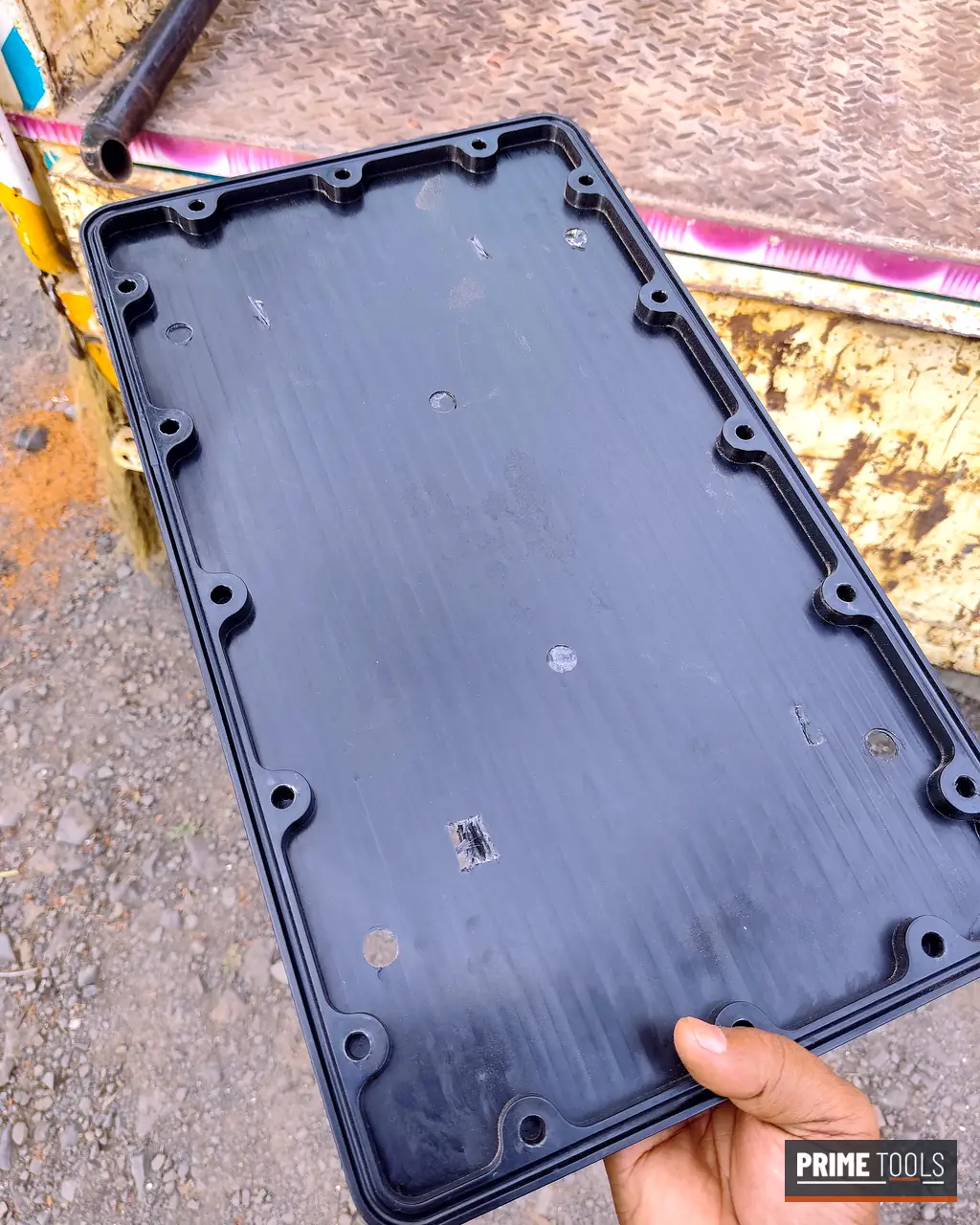
SMC is the material of choice when a part is big, flat or shell-like and must be strong, weatherproof and electrically safe. Typical SMC products include:
- Electrical enclosures and distribution boxes: outdoor DB boxes, feeder pillars and kiosks. See our guide to GRP electrical enclosures.
- Energy meter boxes and junction boxes: single and three-phase meter boxes, outdoor junction boxes. See SMC junction boxes and meter boxes.
- Manhole covers and gratings: lightweight, theft-resistant FRP covers. See our FRP manhole cover guide.
- Battery boxes and housings: inverter and telecom battery enclosures.
- Automotive panels: truck cab parts, tailgates, bonnet panels and EV battery covers.
- Water tank panels: sectional panel tanks made of moulded SMC panels.
- Gasket frames, covers and lids for electrical and telecom cabinets.
Real examples of BMC (DMC) products
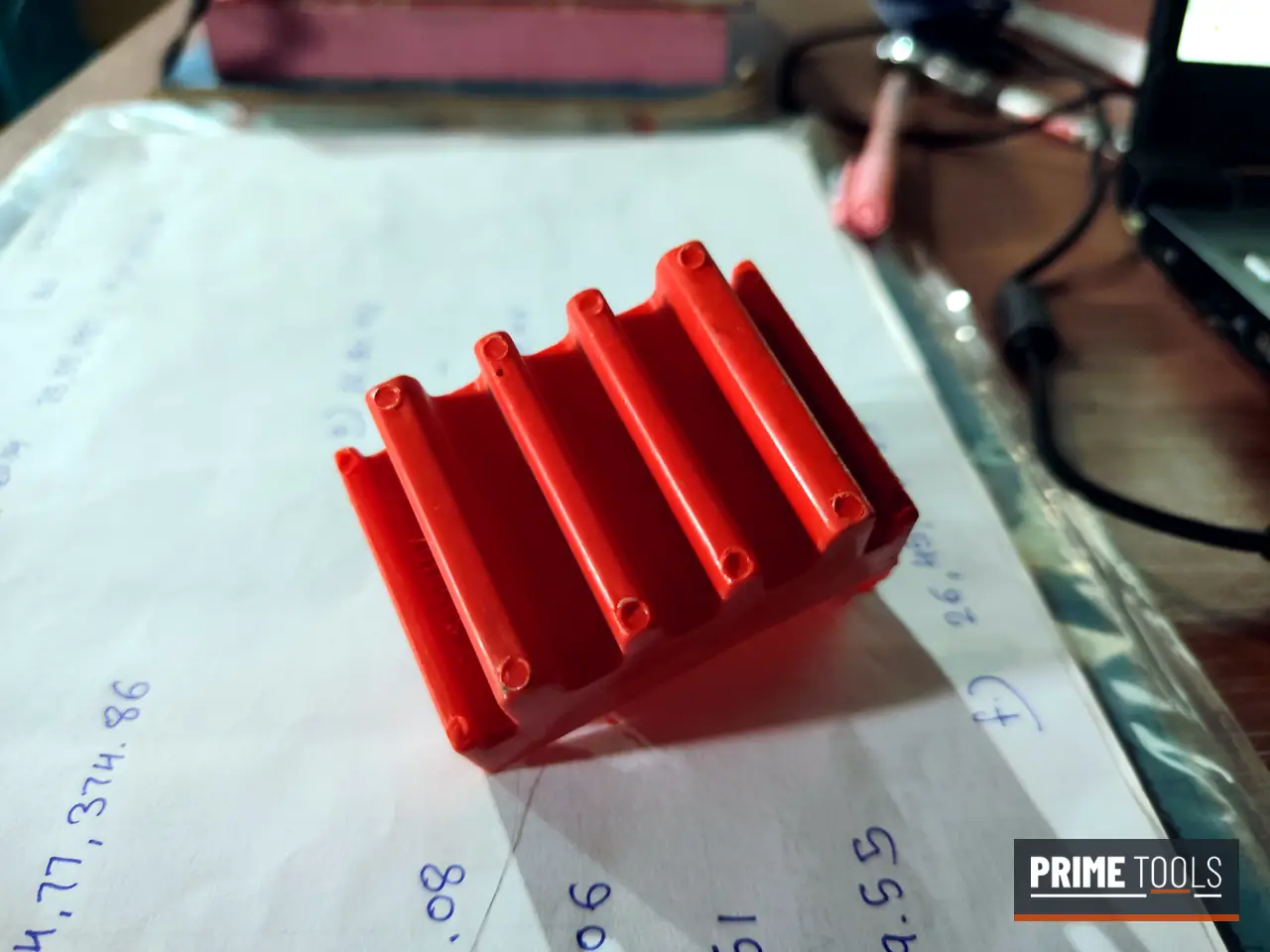
BMC is the choice for compact, detailed parts that need heat resistance and electrical insulation. Typical BMC products include:
- Switchgear: MCB and MCCB bases and covers, arc chutes, contact carriers.
- Wiring devices: terminal blocks, fuse carriers, switch bases.
- Lighting: lamp holders, reflectors, street-light bodies.
- Motors and appliances: end shields, brush holders, heater and iron parts.
- Automotive: headlamp reflectors, ignition and connector parts.
- Electrical segments and insulators for meters and power equipment.
How to choose between SMC and BMC
Use these questions as a quick filter:
- How big is the part? Large panels, lids and enclosures point to SMC. Hand-sized parts with a lot of detail point to BMC.
- How strong must it be? If the part takes impact or bending load (a cover that may be stood on, a box that may be hit), SMC’s long fibres help.
- How much detail is there? Many small pins, ribs, threads and bosses favour BMC, which flows into detail more easily.
- What volume? Small BMC parts often run in multi-cavity moulds, which cuts cost per part at high volume.
- Which press do you have? Large SMC parts need high-tonnage presses with big platens. Your press often decides the process.
If the answer is not clear, it is worth getting a DFM review before you commit. A short study of wall thickness, flow and press capacity often settles it. Our DFM and mould design service is free for new parts.
How the mould differs for SMC and BMC
The tooling principle is the same: a hardened steel cavity and core, heated to curing temperature, closed in a press with tight shear edges. But the details differ:
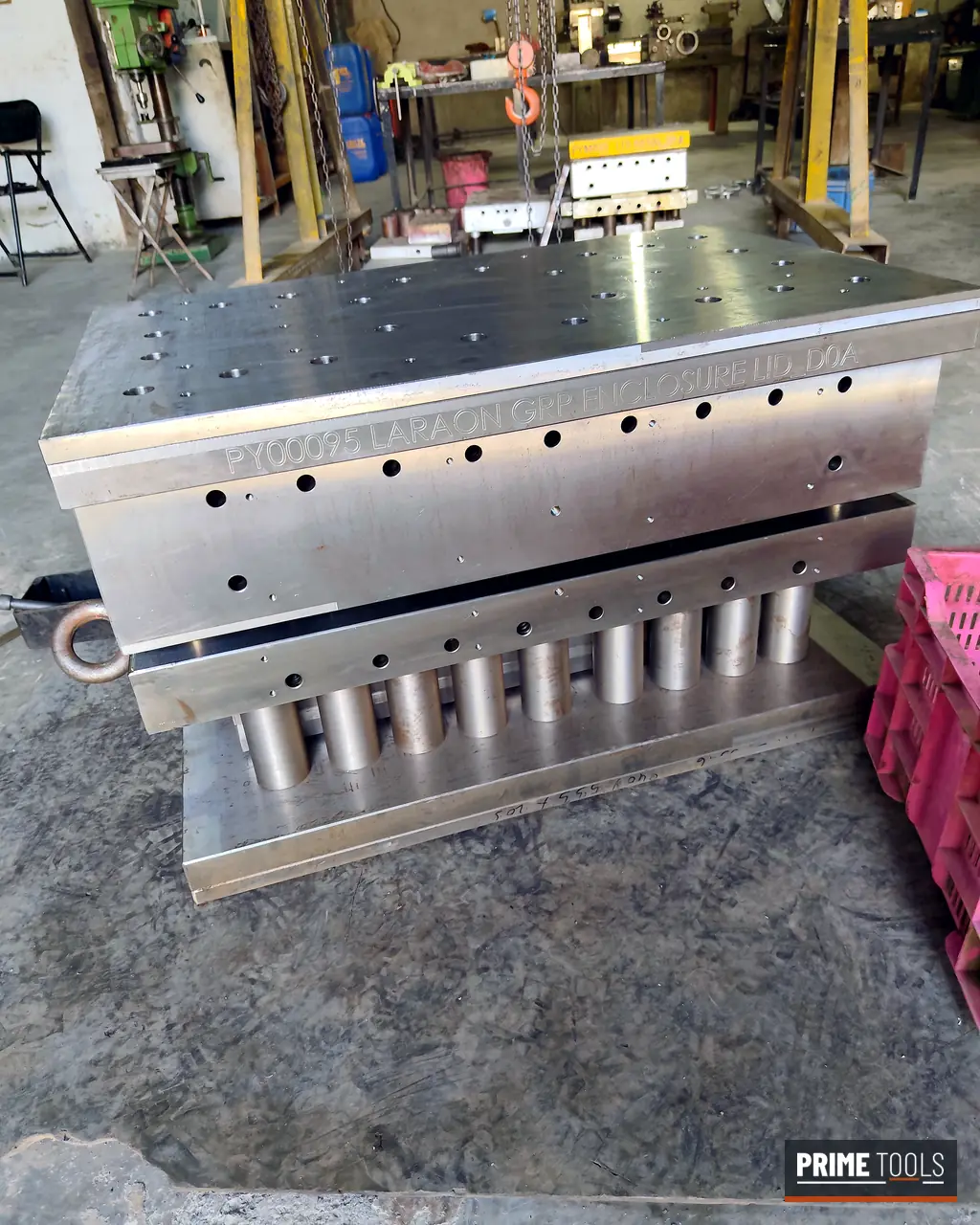
- SMC moulds are larger and heavier, with big projected areas. Shear edges run around a long perimeter, so their fit and hardness are critical. Charge placement and flow length are planned in the design. See SMC moulds.
- BMC moulds are smaller and often multi-cavity. Detail, venting and ejection need more attention, and gates are used for transfer or injection versions. See DMC and BMC moulds.
Both materials are abrasive, so both need hardened steel, good polish and planned maintenance.
Free DFM review
Planning a mould for this part?
Send your 3D model or drawing, material and annual volume. Our engineers reply within one working day.
Frequently asked questions
What is the main difference between SMC and BMC?
SMC is a sheet with long glass fibres, used for large and strong parts. BMC is a dough with short fibres, used for smaller, detailed parts. The resin chemistry is similar.
Is BMC stronger than SMC?
No. Because its fibres are longer and glass content is usually higher, SMC is generally stronger and tougher. BMC flows better into fine detail.
What are examples of SMC products?
Electrical enclosures, meter boxes, junction boxes, manhole covers, battery boxes, automotive body panels and water tank panels.
What are examples of BMC products?
Switchgear bases and covers, terminal blocks, lamp holders, headlamp reflectors, motor end shields and electrical insulators.
Can the same mould run SMC and BMC?
Sometimes, but it is not ideal. Charge placement, flow, venting and shrinkage differ, so a mould is normally designed for one compound and grade.
Are SMC and BMC recyclable?
They are thermosets, so they cannot be remelted. Ground scrap can be used as filler in some applications.

Written by the Prime Tools engineering team
Compression mould makers in MIDC Ahilyanagar, Maharashtra, since 2015. We design and build moulds for SMC, DMC/BMC, Bakelite, melamine and urea parts, and repair die casting dies. About us
Keep reading
Die casting
High Pressure vs Gravity Die Casting: Process, Dies, Inserts and Maintenance
High pressure vs gravity die casting: how each works, typical parts, die design, die inserts, wear, and how to maintain and repair dies.
6 min read · Read article →
Products
SMC Junction Boxes and Electric Meter Boxes: Materials, IP Ratings and Mould Design
SMC junction box, FRP, ABS and metal junction boxes and meter boxes compared: IP ratings, single and three phase boxes, and SMC box moulds.
6 min read · Read article →
Materials
Thermoset vs Thermoplastic: Which Material Is Right for Your Part?
Thermoset vs thermoplastic explained: how they differ, properties, examples, moulding processes, cost and how to choose the right one for your part.
6 min read · Read article →