
Die and Mould Manufacturer: What They Make, How Dies and Moulds Are Built, and How to Choose One
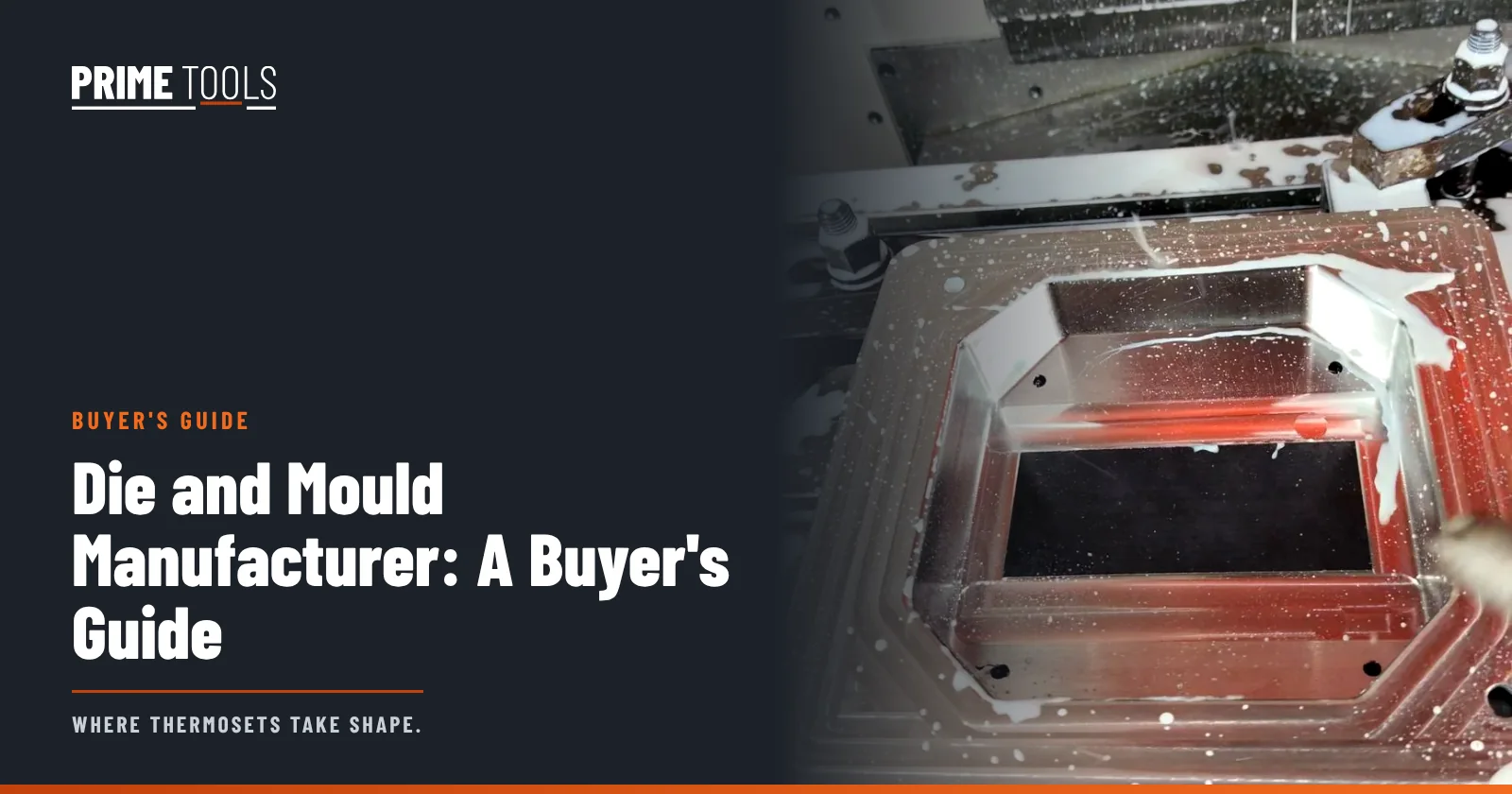
A die and mould manufacturer is a tool room that designs and builds the hardened steel tools used to shape parts in production: dies for metal parts (press tools, die casting dies, forging and extrusion dies) and moulds for plastic, rubber and composite parts (injection, compression, transfer and blow moulds). The right one for you is the one that specialises in your process and material, reviews your part before quoting, machines and trials the tool in-house, and supports it with repairs after delivery.
“Die and mould manufacturer” is how most Indian tool rooms describe themselves, but the words cover very different trades. A shop that builds excellent sheet-metal press tools may never have built a heated compression mould, and an injection mould maker may not know how to repair a cracked die casting die. This guide explains what each type of tool does, how dies and moulds are actually made, what decides their price and lead time, and how to pick the right toolmaker for your part.
We write it from inside a tool room: Prime Tools in MIDC Ahilyanagar, near Pune, builds thermoset compression moulds and repairs die casting dies. Where a process is outside our work, we say so.
What does a die and mould manufacturer do?
A die and mould manufacturer turns a part drawing into a production tool that makes the same part thousands or millions of times. The work runs in six stages: reviewing the part for manufacturability, designing the tool in 3D, buying and heat treating the steel, machining the cavity and core, fitting and polishing, and trialling the tool on a press or machine until it makes good parts.
Most die and mould makers in India are job-shop tool rooms. They do not make your parts in production; they build the tool, prove it, and hand it over to you or your moulder. Many also maintain and repair tools, because every die and mould wears with use.
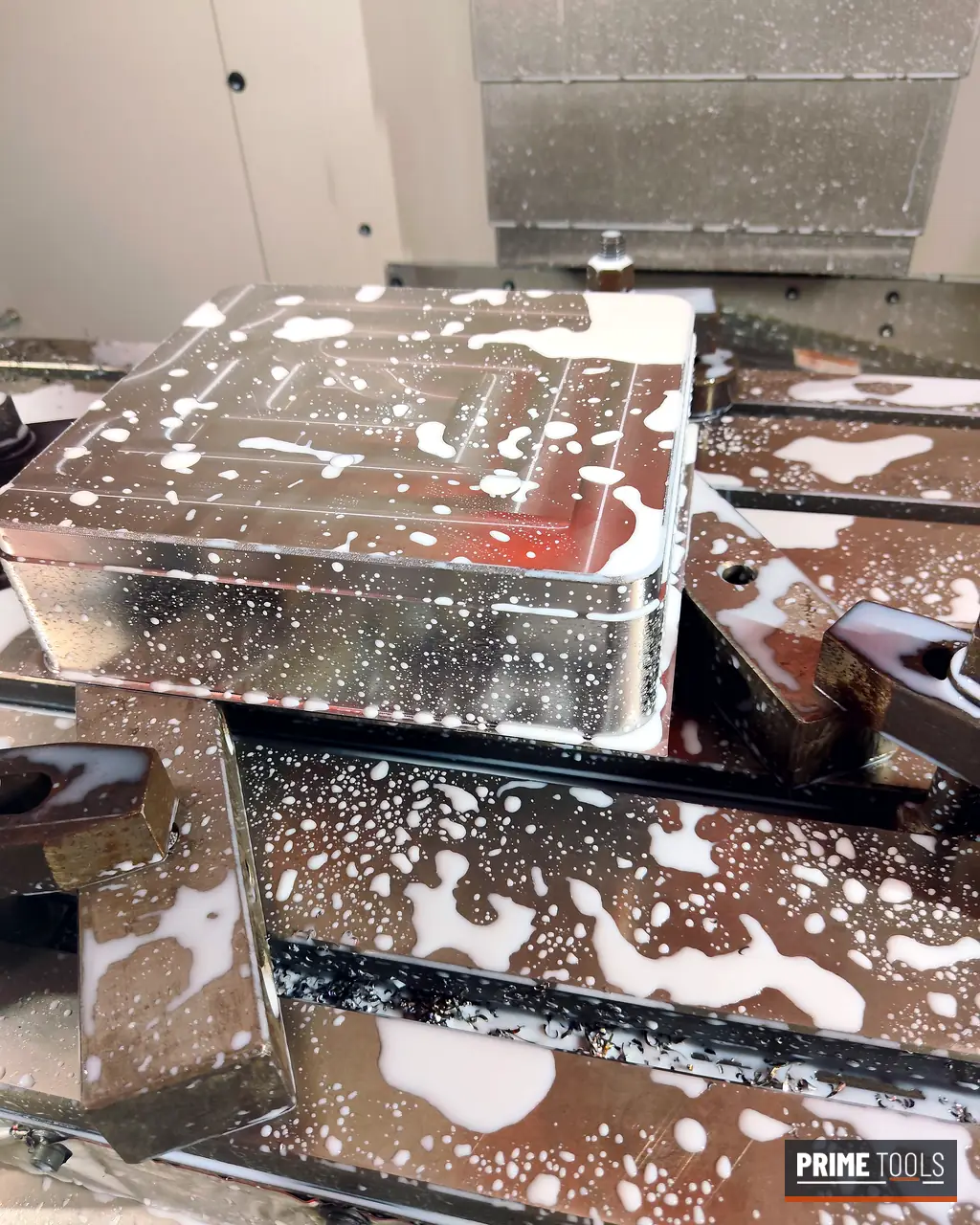
Die vs mould: what is the difference?
In everyday Indian shop-floor language the two words are often used for the same thing, and “die mould” is common. Strictly, they differ by the material being shaped and how it is shaped:
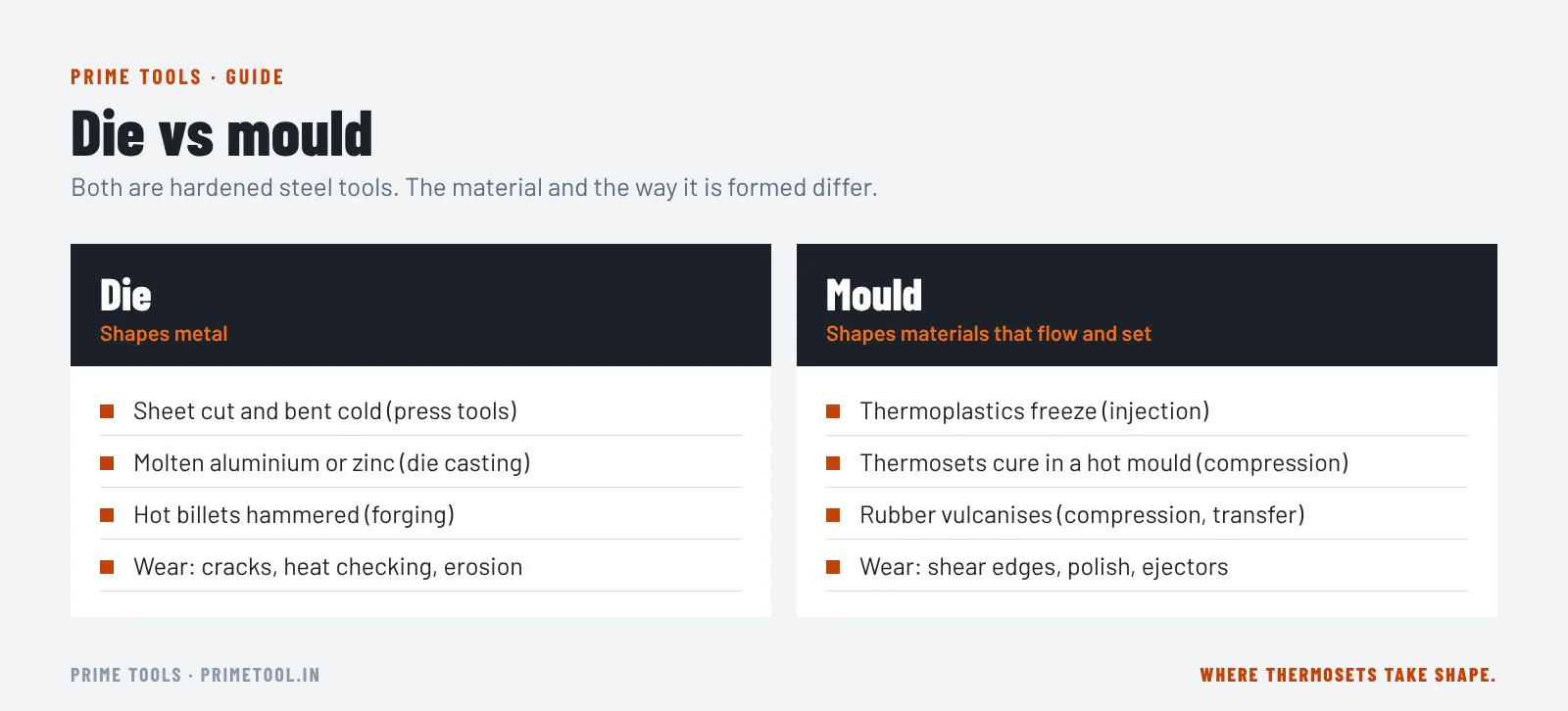
- A die shapes metal. It cuts or bends sheet (press tools), or receives molten metal under pressure (die casting dies), or forges hot billets.
- A mould shapes materials that flow and then set: thermoplastics that freeze (injection moulding), or thermosets such as SMC, DMC, Bakelite and melamine that cure in a heated mould (compression moulding).
The difference matters when you choose a supplier, because the skills do not transfer automatically. Shear edges, heating and venting for a compression mould are a different discipline from runners and cooling for an injection mould, or from the thermal fatigue and soldering problems of a die casting die.
Types of dies and moulds
Here are the tool types you will meet when you search for a die and mould manufacturer, and what each one makes.
| Tool | What it shapes | Typical parts |
|---|---|---|
| Press tool / stamping die | Sheet metal, cut and bent cold | Brackets, panels, washers, electrical contacts |
| High pressure die casting (HPDC) die | Molten aluminium or zinc, injected at high pressure | Housings, motor end covers, gearbox and lighting parts |
| Gravity die casting (GDC) die | Molten metal poured under gravity | Thicker aluminium parts, wheels, valve bodies |
| Forging die | Hot metal billets, hammered or pressed | Crankshafts, flanges, hand tools |
| Extrusion die | Metal or plastic pushed through a profile | Aluminium sections, pipes, window profiles |
| Injection mould | Molten thermoplastic, cooled to freeze | Caps, covers, appliance and automotive plastics |
| Compression mould | Thermoset charge, heated and pressed to cure | SMC meter boxes, enclosures, manhole covers, switchgear parts |
| Transfer mould | Thermoset or rubber forced from a pot into closed cavities | Insulators, encapsulated parts, rubber parts with inserts |
| Blow mould | Hollow plastic, inflated against the cavity | Bottles, cans, tanks |
If your part is a thermoset (SMC, BMC, DMC, phenolic or melamine), read our guide to compression moulding. If it is aluminium, our comparison of high pressure and gravity die casting explains which die you need.
How a die or mould is made, step by step
Every serious die and mould manufacturer follows roughly the same route, whatever the tool type.
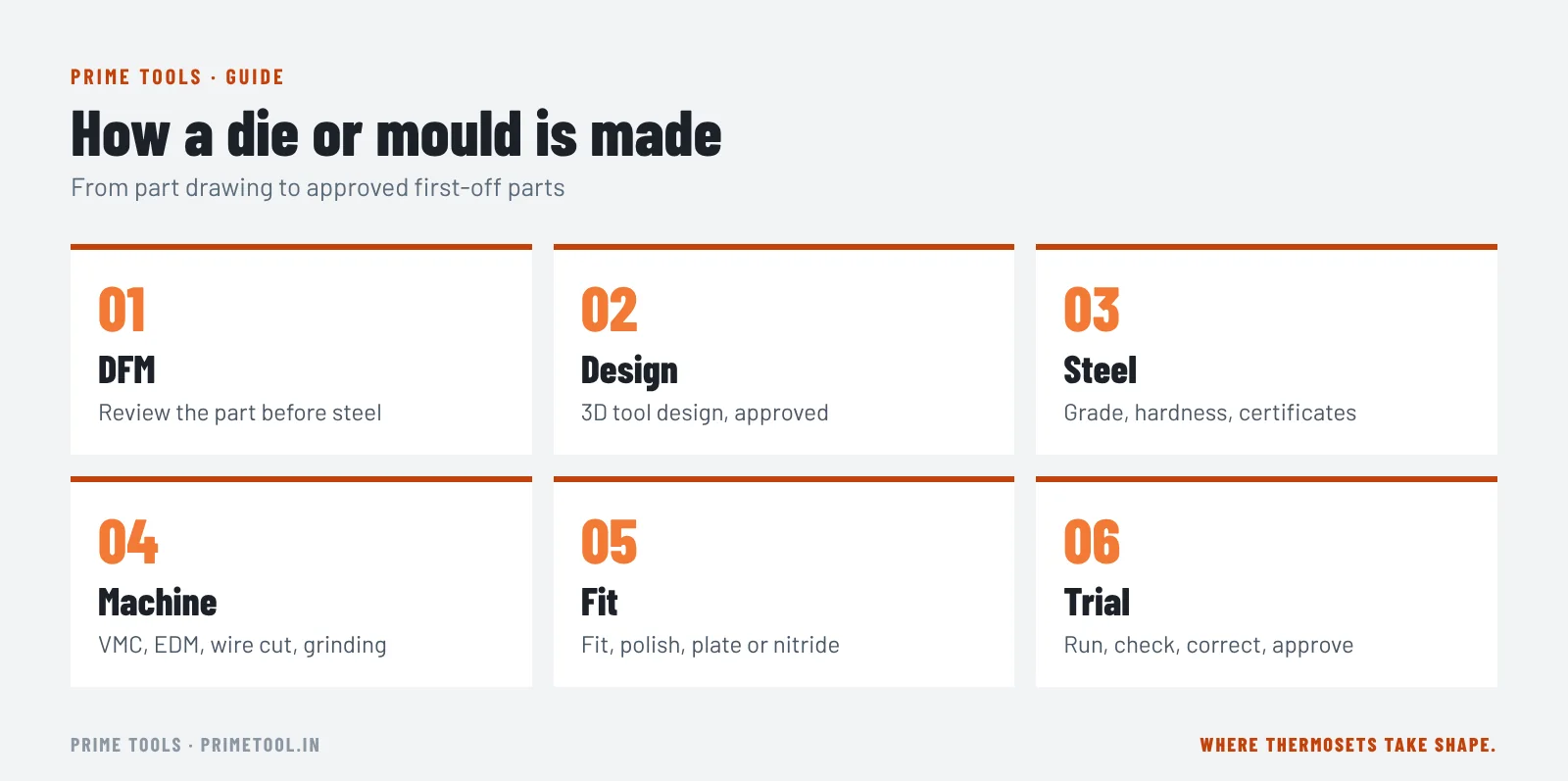
- Part review (DFM). Engineers check the part for draft, wall thickness, radii, ribs, parting line, undercuts and ejection, and suggest changes before steel is cut. This is the cheapest point to fix a problem. See how we run a DFM and mould design review.
- Tool design. The die or mould is designed in 3D: cavity layout, parting line, ejection, guiding, heating or cooling, and standard parts. You should see and approve this design.
- Steel and heat treatment. Tool steels are chosen for the job: pre-hardened steels for plates and many moulds, hot-work steels such as H13 for die casting, and hardened and tempered steels for high-wear cavities. Ask for steel certificates.
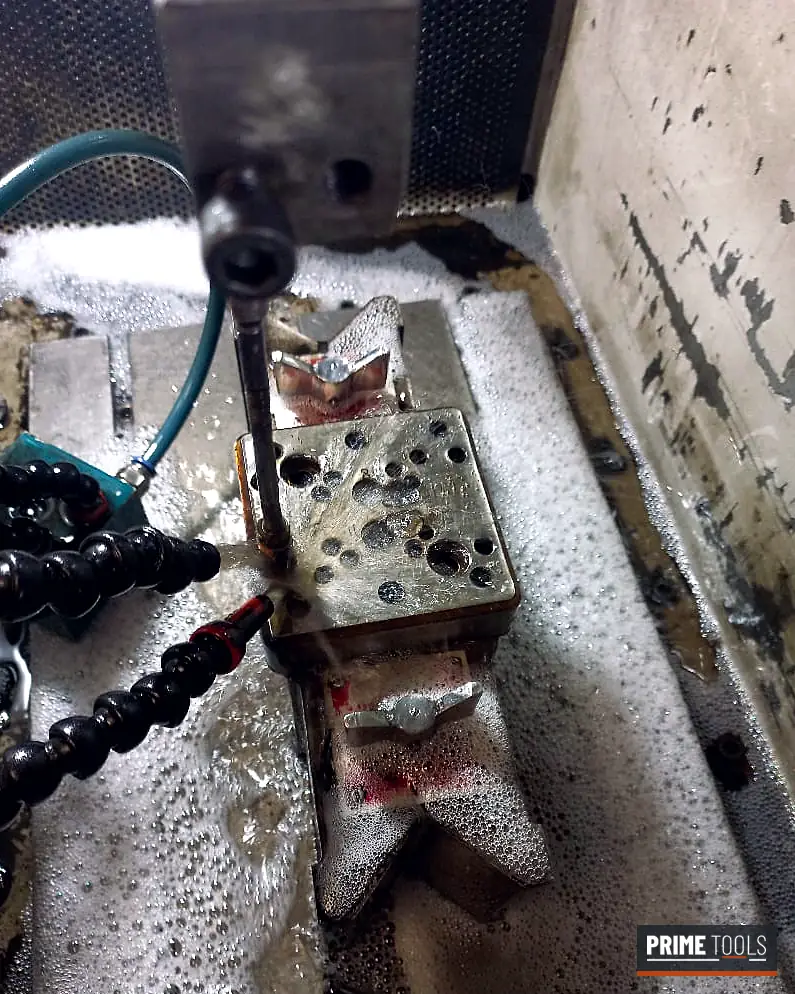
- Machining. CNC and VMC machines rough and finish the cavity and core; EDM (spark erosion) forms sharp corners, ribs and fine detail; wire cut, grinding and boring finish inserts and fits.
- Fitting and finishing. Toolmakers fit the halves, ejectors and slides, polish or texture the cavity, and add chrome plating or nitriding where the material or wear demands it.
- Trial and approval. The tool is run on a press or machine, first-off parts are checked against the drawing, and corrections are made until you approve the parts.
Machines a good tool room should have
You do not need a supplier with every machine, but the core work should be in their control. When you visit, look for:
- VMC / CNC machining centres sized for your tool, ideally with a modern controller and CAM programming in-house.
- EDM (die sinking) for cavities and detail, with an electrode-making setup.
- Wire cut EDM for inserts, punches and precise profiles.
- Surface and cylindrical grinding for plates, pins and fits.
- Radial drilling and deep-hole drilling for heater, cooling and ejector holes.
- A trial press or machine, or a reliable arrangement with one, so the tool is proved before dispatch.
- Measuring equipment: height gauges, bore gauges and ideally CMM access for inspection.
What decides the price of a die or mould
There is no fair “per kilo” price for tooling. Quotes for the same part can differ by two or three times because the specifications differ. The main cost drivers are:
- Part size and tool size: more steel, bigger machines and longer machining hours.
- Number of cavities: more cavities cost more but reduce cost per part.
- Complexity: undercuts, slides, side cores, inserts and fine detail add design and EDM time.
- Steel grade and hardness: hardened cavities and certified steel cost more and last much longer.
- Surface finish: high polish, texture or chrome plating add hours.
- Heating or cooling: electrical heating for compression moulds, cooling circuits for injection moulds, thermal control for die casting.
- Trial and approval: trial runs, corrections and sample parts.
- Tool life expected: a tool for 10,000 parts and one for a million parts are not the same tool.
When you compare quotes, ask each die and mould manufacturer to state steel grades, hardness, number of cavities, heating or cooling, finish, trials and what is excluded. Compare like with like.
Free DFM review
Planning a mould for this part?
Send your 3D model or drawing, material and annual volume. Our engineers reply within one working day.
How long does a die or mould take?
Simple tools can be ready in a few weeks; large, multi-cavity or complex dies can take several months. For our own work, a typical new compression mould takes 6 to 8 weeks after design approval. The biggest delays usually come from late design changes, so a thorough DFM review at the start saves time at the end.
How to choose a die and mould manufacturer in India
India has thousands of die and mould makers, from small job shops to large tool rooms, in hubs such as Pune and Chakan, Mumbai and Thane, Ahmedabad and Rajkot, Delhi NCR, Bengaluru, Chennai, Coimbatore, Hyderabad and Aurangabad. Location matters less than fit. Before you place an order, check these eight things:
- Specialisation. What share of their work is your tool type and material?
- Similar parts. Can they show tools they have built for parts like yours?
- DFM. Do they review your part in writing before quoting the final design?
- Design approval. Will they share the 3D tool design for your approval?
- Steel. Which grades and hardness, and can they show certificates?
- In-house machining. Which operations are done in-house, and which are outsourced?
- Trials. Will they trial the tool and give you first-off parts before dispatch?
- After-sales. Do they repair, rework and supply spare inserts?
For a fuller version, use our 15-point checklist for choosing a mould maker in India.
Red flags: a price with no specification, no DFM questions about your part, no trial before dispatch, no steel details, and reluctance to sign an NDA or let you visit.
Repair and maintenance: the part most buyers forget
Every die and mould wears. Compression moulds lose their shear edges and polish; die casting dies suffer heat checking, cracks, soldering and erosion. A die and mould manufacturer that can repair, weld, re-machine and make new inserts for your existing tools keeps your production running and costs far less than a new tool.
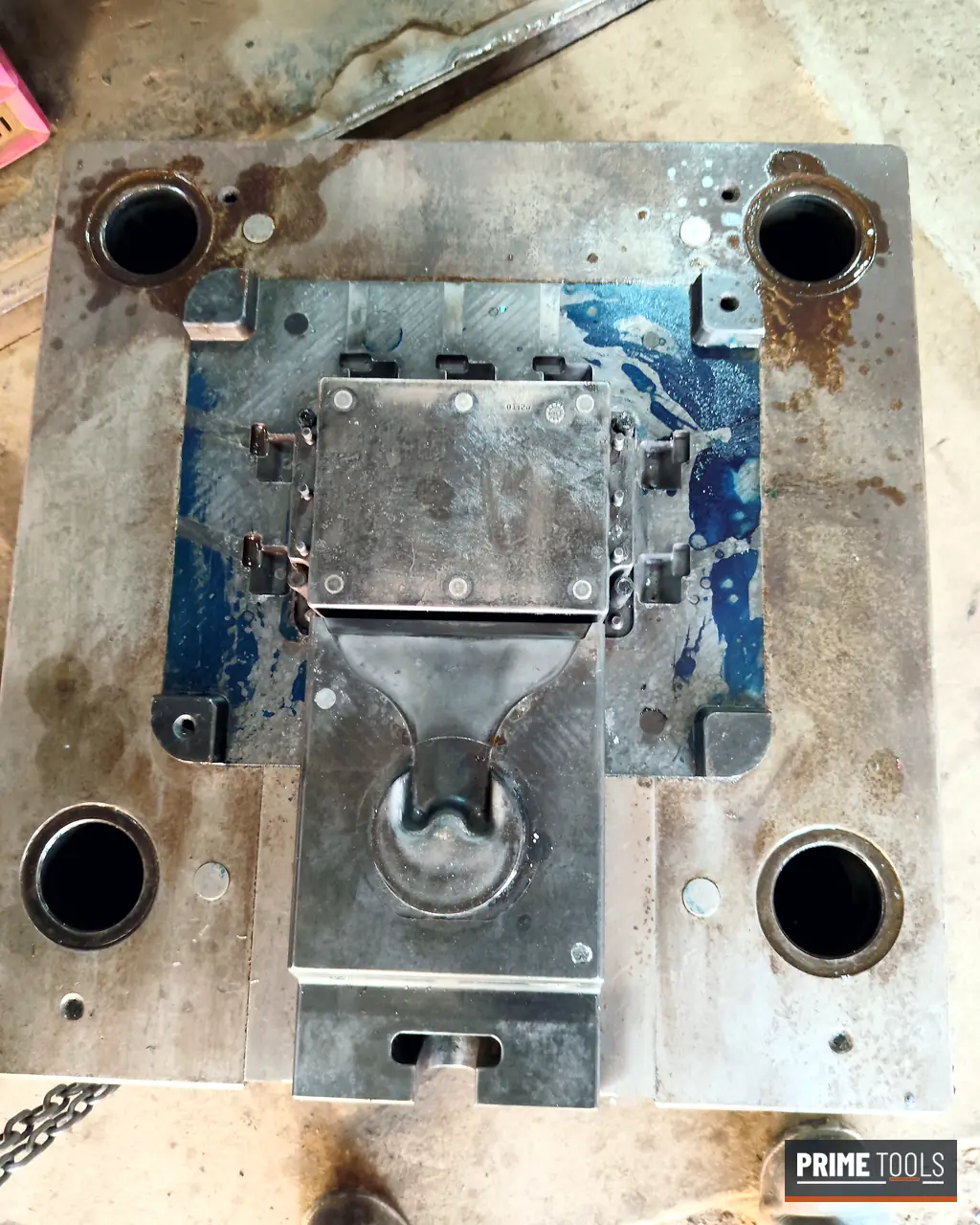
Read more about mould repair and what can usually be saved.
Where Prime Tools fits
We are a specialist, not a general “all dies and moulds” shop, and we think buyers deserve to know that:
- We build compression moulds for thermosets: SMC, BMC, DMC, Bakelite (phenolic) and melamine. Typical parts are meter boxes, junction and distribution boxes, GRP enclosures, covers, panels and switchgear parts.
- We repair die casting dies (HPDC and gravity) and make new cavity inserts for existing dies.
- We do not build injection moulds, press tools, forging or extrusion dies. If that is what you need, we will tell you honestly.
Every new compression mould starts with a free DFM review, is designed in 3D for your approval, machined in our tool room in MIDC Ahilyanagar and trialled on presses up to 400 tonnes before dispatch. See a full example in our SMC enclosure mould case study.
Frequently asked questions
What is a die and mould manufacturer?
A die and mould manufacturer is a tool room that designs, machines and trials the steel tools used to make parts in production: dies for metal parts and moulds for plastic, rubber and composite parts. Most also repair and maintain tools.
Is a die the same as a mould?
Not exactly. A die usually shapes metal (press tools, die casting, forging), while a mould shapes materials that flow and set, such as plastics, rubber and thermosets. In Indian industry the terms are often used together, as in “die mould manufacturer”.
Which steel is used for dies and moulds?
It depends on the tool. Pre-hardened steels are common for plates and many moulds, hot-work steels such as H13 are standard for die casting dies, and hardened and tempered tool steels are used where wear is high. Always ask your toolmaker for grades, hardness and certificates.
How much does a die or mould cost?
It depends on part size, number of cavities, complexity, steel, finish, heating or cooling and the tool life you need. The fair way to compare is to send the same drawing and specification to each supplier and ask for an itemised quotation.
How long does it take to make a mould?
Simple tools can take a few weeks and large or complex dies several months. A typical new compression mould at Prime Tools takes 6 to 8 weeks after design approval.
How do I find a die and mould manufacturer near me?
Search for your tool type and city, for example “compression mould maker Pune”, then shortlist suppliers who have built parts like yours. Visit the tool room if you can, and use a checklist so you compare them fairly.
Will my drawings stay confidential?
A professional toolmaker treats drawings as confidential and signs an NDA on request. At Prime Tools we sign NDAs before you share full details.

Written by the Prime Tools engineering team
Compression mould makers in MIDC Ahilyanagar, Maharashtra, since 2015. We design and build moulds for SMC, DMC/BMC, Bakelite, melamine and urea parts, and repair die casting dies. About us
Keep reading
Products
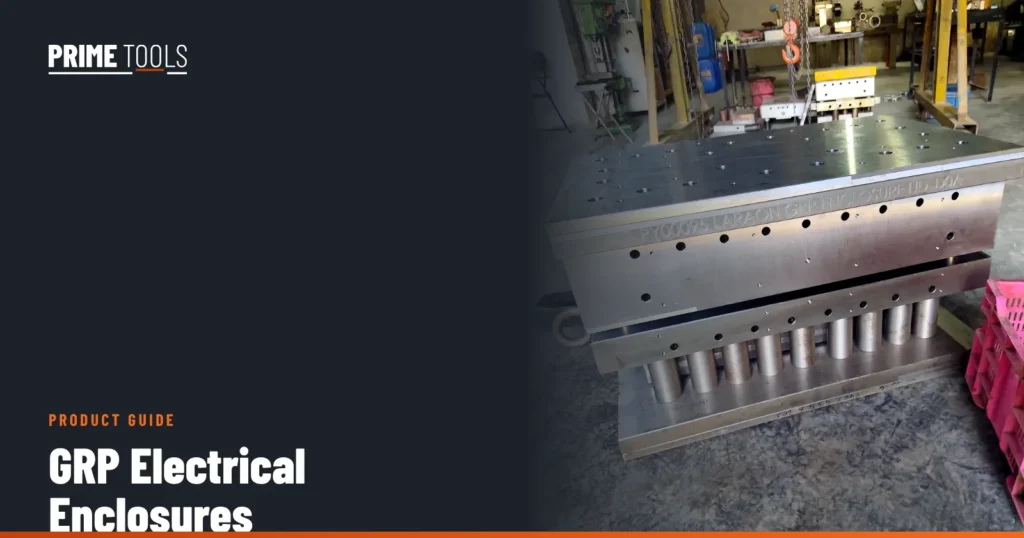
GRP Electrical Enclosures: Why Utilities Choose SMC, and How They Are Made
GRP electrical enclosures explained: what GRP and SMC are, benefits over steel, IP and IK ratings, kiosk and cabinet types, and how GRP enclosures…
6 min read · Read article →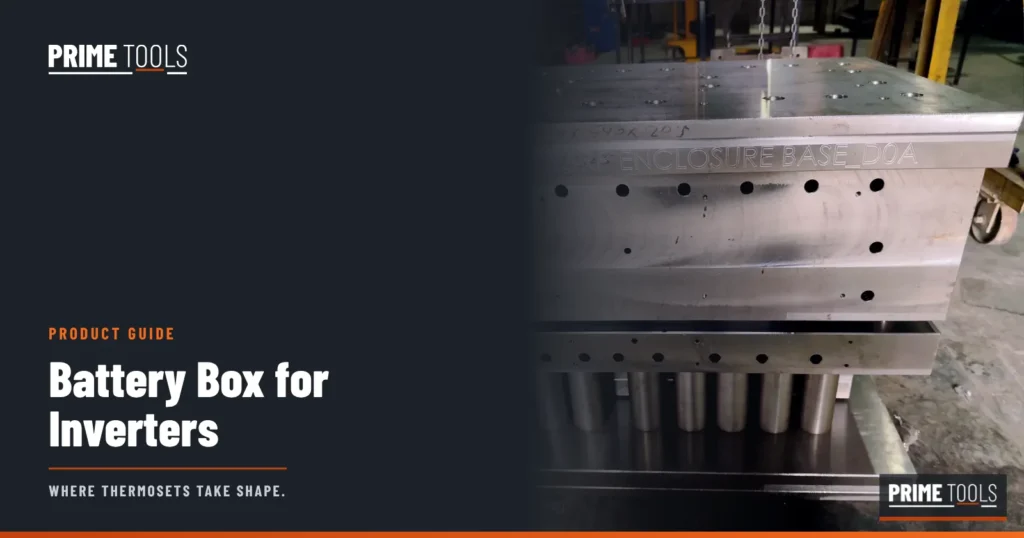
Products
Battery Box for Inverters: Why SMC and BMC Are Used, and What to Look For
Inverter battery boxes compared: SMC/BMC, plastic and metal. Heat, acid and fire resistance, ventilation, and how SMC battery boxes are moulded.
5 min read · Read article →
Materials
Dough Moulding Compound (DMC): Properties, Uses and How It Is Moulded
What dough moulding compound (DMC) is, what it is made of, its properties, where it is used and how DMC parts are compression moulded.…
9 min read · Read article →